
Enhance Textile Production with Advanced Custom Wire Rolling Mills for Machinery
2026-03-09
In the fast-paced world of textile manufacturing, efficiency and precision are key to staying competitive. Yet, many companies struggle with outdated machinery that hampers productivity and quality. How can you transform your production line to meet modern demands? Enter advanced custom wire rolling mills—a game-changer for machinery designed to enhance every aspect of textile production. At GRM, we specialize in crafting state-of-the-art solutions tailored to your unique needs. This blog explores how integrating these innovative mills can revolutionize your operations, boost output, and drive sustainable growth. Join us as we delve into the technologies and strategies that set leaders apart in the industry.
Revolutionizing Textile Machinery with Tailored Wire Rolling Mills
Imagine a textile production line where precision meets innovation: tailored wire rolling mills are reshaping the machinery landscape by customizing wire shapes and sizes to specific textile applications. Unlike generic systems, these mills allow manufacturers to fine-tune wire properties, reducing waste and enhancing durability in fabrics. This adaptability means fewer production hiccups and more consistent quality, making them a game-changer for high-performance textiles.
By integrating advanced control systems, these rolling mills offer unprecedented flexibility, enabling real-time adjustments based on material feedback. This not only boosts efficiency but also opens doors to creative designs, such as intricate patterns or reinforced structures. As a result, textile producers can push boundaries, crafting products that stand out in a competitive market while maintaining sustainable practices.
Looking ahead, the synergy between tailored wire rolling mills and digital technologies promises to further streamline operations, from predictive maintenance to smart manufacturing. This evolution isn't just about upgrading equipment; it's about empowering the entire textile industry to innovate faster and smarter, ensuring that every thread counts towards a more efficient future.
Customized Solutions for Enhanced Fabric Manufacturing Efficiency
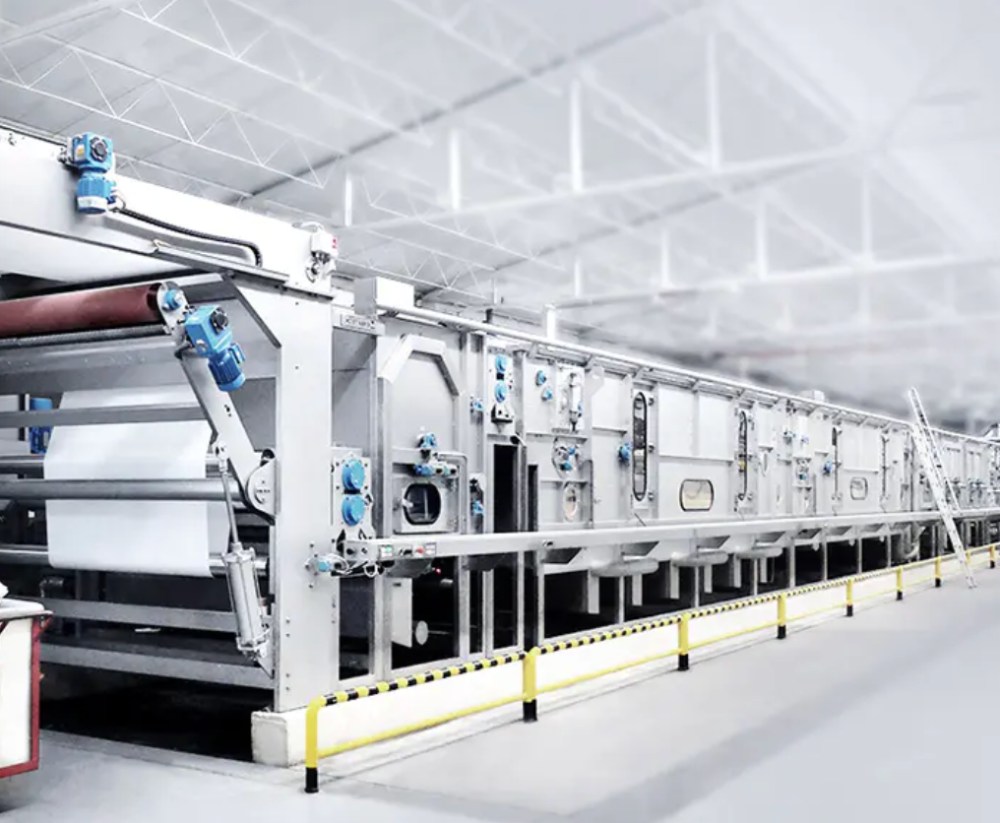
In today's competitive textile landscape, achieving peak efficiency in fabric manufacturing often hinges on solutions tailored specifically to your operation's unique challenges. Rather than relying on one-size-fits-all approaches, customized strategies can address bottlenecks like energy consumption, material waste, or production delays directly. By analyzing workflow data and integrating advanced technologies such as predictive maintenance systems, manufacturers can streamline processes, reduce downtime, and boost output quality. This personal touch not only optimizes resources but also fosters innovation, allowing you to adapt swiftly to market demands without compromising on sustainability or cost-effectiveness.
Embracing a bespoke mindset in fabric production means moving beyond traditional methods to uncover hidden inefficiencies. For instance, implementing real-time monitoring tools can provide actionable insights into machine performance, enabling proactive adjustments that prevent errors before they escalate. Coupled with employee training programs designed around specific roles, this holistic approach ensures that every aspect of the manufacturing line works in harmony. The result is a more agile and responsive facility where waste is minimized, throughput is maximized, and overall productivity sees a tangible uplift.
Ultimately, the journey toward enhanced efficiency is not just about adopting new technologies but about creating a culture of continuous improvement. Custom solutions can include everything from automated quality control systems to eco-friendly material sourcing strategies, all aligned with your brand's goals and consumer expectations. By fostering collaboration between engineers, designers, and operators, you can develop processes that are both innovative and practical, setting your fabric manufacturing apart in an industry where every detail counts for long-term success.
Innovative Wire Rolling Technology Transforming Production Lines
Imagine walking into a factory where wire production, once a noisy and energy-intensive process, now hums with quiet efficiency. That's the reality brought by innovative wire rolling technology, which is fundamentally reshaping production lines across industries. By integrating advanced materials science with precision engineering, this technology allows for the creation of wires with unprecedented consistency in diameter and tensile strength, all while slashing energy consumption by up to 30%. Gone are the days of frequent downtime for manual adjustments; automated systems now monitor every roll in real-time, adapting on the fly to produce wires that meet exacting specifications for everything from aerospace components to medical devices.
What truly sets this transformation apart is its ripple effect on entire manufacturing ecosystems. With wires rolling out faster and with fewer defects, downstream processes like coating, weaving, and assembly become more streamlined and reliable. For instance, in the automotive sector, this technology enables the production of lighter, stronger wiring harnesses that not only boost vehicle performance but also reduce overall weight, contributing to better fuel efficiency. It's not just about making wire better; it's about elevating the entire production chain, turning what was once a bottleneck into a catalyst for innovation and cost savings.
Beyond the factory floor, the impact of this technology resonates in sustainability and customization. By minimizing waste through precise control, it aligns with global efforts to reduce industrial footprints, while its flexibility allows for quick switches between different wire types—from ultra-fine electronics to heavy-duty construction materials. This adaptability means manufacturers can respond swiftly to market demands, offering tailored solutions without the lengthy setup times of old. In essence, innovative wire rolling isn't just an upgrade; it's a quiet revolution, turning production lines into dynamic hubs of efficiency and creativity that push the boundaries of what's possible.
Precision Engineering for Superior Textile Output and Quality
Imagine crafting fabrics not just by hand, but with the sharp eye of a jeweler—that's the essence of precision engineering in textiles. By integrating advanced technologies like laser cutting and automated looms, we can achieve thread counts down to the finest micron, ensuring each weave is flawlessly uniform. This approach isn't about speed alone; it's a commitment to minimizing waste and errors, resulting in textiles that feel luxuriously smooth and last through countless wears and washes, all while maintaining vibrant colors that resist fading.
What sets this apart from standard practices is the tailored calibration of every machine to the specific fiber type, whether it's organic cotton or synthetic blends. Sensors continuously monitor tension and moisture levels during production, making real-time adjustments that prevent common issues like pilling or shrinkage. This level of control transforms raw materials into high-performance fabrics that meet exacting standards, offering a tactile experience and durability that stand out in crowded markets.
Beyond the factory floor, precision engineering extends to quality assurance with non-destructive testing methods, such as spectral analysis, to detect imperfections invisible to the naked eye. It's a holistic system where innovation drives sustainability, reducing environmental impact by optimizing resource use. The outcome is textile output that not only excels in consistency and aesthetics but also builds trust with consumers seeking reliability and superior craftsmanship in every thread.
Adaptable Wire Rolling Mills to Meet Diverse Industry Demands
Adaptable wire rolling mills are engineered to handle a wide range of materials and sizes, providing industries with the flexibility needed to meet specific project requirements. These mills can quickly adjust settings for different alloys, from standard steel to specialty metals like copper or aluminum, ensuring consistent quality across diverse applications. By integrating advanced control systems, operators can fine-tune parameters on the fly, reducing downtime and enhancing productivity in dynamic manufacturing environments.
In sectors such as automotive, construction, and electronics, the demand for custom wire products is ever-growing. Adaptable mills address this by offering modular designs that allow for easy upgrades or modifications, enabling manufacturers to pivot without major overhauls. For instance, a mill might be reconfigured to produce finer gauges for electrical components or robust cables for infrastructure, all while maintaining precision and efficiency. This versatility not only supports innovation but also helps companies stay competitive in fast-paced markets.
Beyond flexibility, these mills incorporate smart technologies that monitor performance and predict maintenance needs, minimizing disruptions. Features like real-time data analytics and automated adjustments empower teams to optimize output while adhering to strict industry standards. Ultimately, adaptable wire rolling mills are more than just equipment; they are strategic assets that drive cost savings and enable businesses to respond swiftly to shifting market trends, ensuring long-term sustainability and growth.
Streamlining Operations with Advanced, Bespoke Mill Designs
In today's competitive manufacturing landscape, the need for operational efficiency has never been more pressing. Advanced, bespoke mill designs are emerging as a game-changer, allowing companies to tailor machinery to their specific production requirements. Unlike off-the-shelf solutions, these custom designs integrate seamlessly with existing workflows, reducing downtime and enhancing overall productivity. By focusing on precision engineering and innovative materials, these mills not only meet but often exceed performance expectations, providing a distinct edge in market responsiveness.
What sets these bespoke mills apart is their ability to adapt to unique challenges that standard equipment cannot address. Whether it's handling specialized materials or achieving tighter tolerances, custom designs are built from the ground up to solve specific operational bottlenecks. This approach minimizes waste, optimizes energy consumption, and ensures that every component works in harmony, leading to smoother, more reliable processes. As a result, businesses can achieve higher output with fewer resources, fostering a leaner and more agile operation.
The long-term benefits of investing in advanced mill designs extend beyond immediate gains. Companies that embrace customization often see improvements in product quality and consistency, which can enhance brand reputation and customer satisfaction. Moreover, these bespoke systems are designed with future scalability in mind, allowing for easy upgrades as technology evolves or production demands shift. By prioritizing tailored solutions over generic ones, organizations not only streamline their current operations but also build a foundation for sustained growth and innovation in an ever-changing industry landscape.
FAQ
These are specialized machines designed to shape and form metal wires with high precision, tailored to specific textile production needs for improved durability and efficiency.
By providing precisely engineered wires that reduce machine wear, increase operational speed, and ensure consistent product quality in textile manufacturing processes.
Customization allows mills to produce wires with exact diameters, tensile strengths, and surface finishes, matching the unique requirements of different textile machinery and fabrics.
High-performance textiles like industrial fabrics, technical geotextiles, and specialized synthetic materials see significant improvements in strength and uniformity.
Yes, they are versatile enough to process various metals, including stainless steel, aluminum, and specialty alloys, depending on the machinery's needs.
While initial investment might be higher, it leads to long-term savings through reduced downtime, lower maintenance, and higher-quality output.
Look for features like automated control systems, adjustable rolling speeds, and compatibility with different wire gauges to ensure flexibility and efficiency.
Conclusion
Revolutionizing textile machinery with tailored wire rolling mills represents a pivotal advancement in the industry, driven by customized solutions that significantly enhance fabric manufacturing efficiency. These innovative technologies transform production lines by integrating precision engineering, which ensures superior textile output and quality. By focusing on adaptable designs, these mills meet diverse industry demands, allowing manufacturers to streamline operations with advanced, bespoke configurations that optimize performance and reduce downtime. This holistic approach not only boosts productivity but also fosters sustainability through reduced waste and energy consumption, positioning custom wire rolling mills as essential tools for modern textile enterprises seeking competitive edges in a dynamic market.
The integration of advanced custom wire rolling mills into machinery setups enables a seamless transformation of traditional textile processes into agile, high-performance systems. With tailored solutions, companies can address specific challenges in fabric production, from intricate designs to bulk manufacturing, while innovative wire rolling technology adapts swiftly to evolving trends. This adaptability, combined with a focus on precision, ensures consistent quality and output, helping businesses navigate diverse industry demands without compromising on efficiency. Ultimately, the strategic deployment of these mills streamlines operations, reduces manual intervention, and enhances overall productivity, making them a cornerstone for future-proofing textile industries against market fluctuations and technological disruptions.
Contact Us
Contact Person: Rayna
Email: [email protected]
Tel/WhatsApp: 86 -173 1474 6343
Website: https://www.grmrollingmill.com/