
How a 3-in-1 Filling Machine Company Can Simplify Your Filling Operations
2026-11-02
Juggling separate washers, fillers, and cappers often means wasted floor space, extra labor, and constant bottlenecks. A 3-in-1 filling machine combines all three steps into one compact, efficient system. That's exactly the kind of streamlined solution Wanying Machinery specializes in—and it could be the key to simplifying your filling operations without overhauling your entire line.
The End of Juggling Three Separate Machines
Juggling three separate machines used to mean triple the notifications, triple the updates, and triple the small decisions about which device to grab. That kind of switching costs more than time—it breaks your focus in ways you don't notice until it's gone.
When one device can handle the writing, the reading, and the quick on-the-go tasks without compromise, the old routine loses its pull. You stop emailing yourself files or relying on cloud workarounds just to move from one screen to another. The work simply stays where you are.
The end of juggling three separate machines isn't about minimalism for its own sake. It's about reclaiming the mental space that used to go into maintaining parallel setups. One familiar keyboard, one consistent battery life, one place to look—that's the quiet upgrade.
Why Your Current Filling Line Feels Twice as Busy
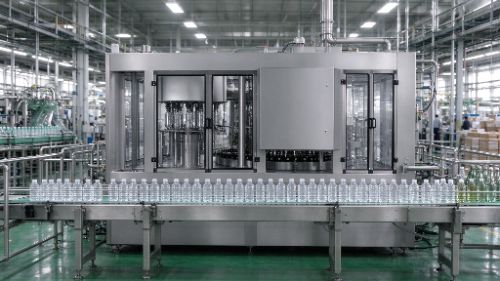
Here's the thing nobody puts on a shift report: your line isn't actually running more product. It's absorbing dozens of tiny interruptions—label rolls that tear, caps that jam, sensors that need a nudge—that each eat a minute or two but cascade into half a shift by Friday. Those micro-stoppages don't always show up in a standard utilization number, so the crew looks busier than the output suggests.
Changeovers are the second quiet tax. If you run three flavors or container sizes in a single day, the line may spend more time rinsing, swapping, and re-zeroing than filling. Without a fixed sequence and tool cart staged within arm's reach, every operator invents their own order, and the line never finds a steady cadence. The result is motion everywhere, but less in the bottle.
Then watch how material gets to the filler. If every box of caps or roll of labels requires a walk to a pallet across the room, that's not labor—it's logistics debt. A line fed like a pantry instead of a production cell will always feel twice as busy, because people are moving material, not running machines.
A Single Skid That Replaces a Whole Corner of Your Plant
Industrial layouts often reserve an entire corner for pre-treatment, rinsing, drying, and coating stations. A single skid flips that logic on its head: all those stages packed into one frame that rolls in on casters and hooks up to utilities in hours, not weeks. It shrinks the footprint without shrinking the process — every step still happens, just in a tighter, smarter sequence.
The real payoff shows up when you reroute that freed-up floor space. One plant turned the old corner into a staging area for raw parts, cutting forklift travel by nearly a third. Another added a second skid right beside the first, doubling throughput without touching the building shell. That’s the kind of flexibility you can’t get from poured concrete pits and hardwired lines.
Moving the skid later? Unbolt four connections, roll it to a new bay, and you’re back in production before the next shift starts. No demolition, no re-engineering, no stranded assets. For a facility that lives on tight margins and tighter timelines, that’s not just equipment — it’s leverage.
Changeovers in Minutes, Not Meal Breaks
Gone are the days when a line changeover meant sending the crew to an early lunch and praying the next run started before the shift ended. Now the switch from one product to the next happens in the time it takes to finish a coffee—four minutes, sometimes less. Tooling clicks into place, settings load from a saved recipe, and the first good part rolls off before anyone has to think about rearranging a break schedule.
That speed isn't magic; it's built into quick-release fixtures, pre-staged materials, and a team that doesn't waste motion. Because the changeover fits into the natural rhythm of the shift, there's no pressure to work through lunch or stay late just to hit the daily target. The line simply keeps moving, and the break room stays for breaks.
One Control Panel, Fewer Wrong Buttons
The layout forces a kind of calm. Instead of scattering functions across a dozen identical buttons, everything lives in one place, and each control has a shape or position that tells you what it does before your finger even lands. That means fewer hesitations, fewer mistaken presses, and a lot less time spent undoing errors.
What’s easy to overlook is how much wrong buttons cost in real use. A single mispress during a busy moment can fire off an unintended action, break your rhythm, or force a reset. By keeping the panel logically grouped and visually distinct, the design lets muscle memory take over sooner. You stop thinking about the interface and start using it.
When Less Equipment Means More Reliable Output
A lean equipment list often surprises people. Every extra machine in a line introduces another power supply, another set of bearings, another calibration routine. Strip those away and the remaining tools tend to get more attention, better upkeep, and fewer rushed fixes. Reliability comes from what you can actually manage well, not from what looks impressive on the floor.
There's also a human factor. When operators aren't juggling six different interfaces, their focus sharpens. Problems get caught earlier because the patterns are easier to read. Simple setups don't hide gremlins behind layers of automation. The output becomes steadier, and when something does drift, the cause is usually obvious and quick to correct.
That doesn't mean never upgrade. It means every added device should earn its place by reducing a specific failure mode rather than adding another one. More equipment often just complicates the chain, while fewer, well-chosen pieces keep the rhythm intact.
FAQ
It merges bottle rinsing, filling, and capping into a single compact unit. Instead of moving containers between separate stations, the machine handles all three steps in one continuous pass, cutting down on floor space and manual handling.
The biggest change is fewer touchpoints. Operators load empty bottles and collect finished, capped product from the same line. There's no juggling multiple machines, no waiting between stages, and changeovers for different bottle sizes often take under fifteen minutes with tool-free adjustments.
Small to mid-sized producers of liquids like sauces, beverages, cosmetics, or pharmaceuticals usually see the fastest payoff. They get automated rinsing and capping without needing a full-scale industrial line, which means they can handle growth without adding staff or extra square footage.
It's fairly light compared to running three separate machines. Seals and gaskets need periodic checking, nozzles should be flushed after thick or sticky products, and the capping head benefits from a quick torque calibration. Most service points are accessible from one side, so routine upkeep rarely interrupts a shift.
Yes, within reason. The guides, star wheels, and filling nozzles adjust to a range of diameters and heights. Cap types like screw caps, snap caps, and pump caps usually require swapping the capping head, which many manufacturers design as a quick-release module rather than a full retooling job.
Often yes, especially when you factor in reduced wiring, fewer spare parts to stock, and lower training time. One machine also means one point of software control, so troubleshooting is simpler, and you avoid the hidden cost of synchronizing multiple vendors.
Most operators get comfortable within a single shift. The control panel typically shows the three functions in sequence, and safety interlocks prevent a cycle from starting if a bottle is misaligned. Because there's only one interface, new staff spend less time learning separate manuals.
Pay attention to the frame material, ease of cleaning around the filling nozzles, and whether the manufacturer offers on-site installation. A machine that's hard to sanitize will slow you down more than any missing feature, so prioritize hygienic design and accessible pipework.
Conclusion
Running a filling line with three separate machines often means walking back and forth to adjust each unit, clearing jams at different stations, and trying to keep every part in sync. A 3-in-1 filling machine company removes that juggling act by combining washing, filling, and capping into a single integrated system. Instead of a cluttered corner with multiple conveyors and standalone controls, you get one compact skid that sits neatly in your plant. The real difference shows up during product changeovers. What used to take half a shift or a full meal break now happens in minutes with simple adjustments on one frame, so operators spend less time switching parts and more time keeping production moving.
When every function shares a single control panel, there are fewer buttons to misread and fewer settings to forget. New operators pick up the routine faster because they are not learning three different interface layouts. Fewer standalone machines also mean fewer failure points, less wiring to troubleshoot, and fewer spare parts to stock. That simplicity translates into steadier output on busy days. Instead of chasing alarms across the room, your crew can stay focused on product quality and line speed. The result is a filling operation that feels less chaotic and more predictable, without needing extra floor space or a larger maintenance team.
Contact Us
Contact Person: Tyson
Email: [email protected]
Tel/WhatsApp: +8613396971296
Website: https://www.wanyingmachinery.com