

Nickel Alloy Steel Factory Innovations: Modern Manufacturing and Advanced Applications
2026-01-25
In the world of manufacturing, nickel alloy steel has long been a cornerstone of industries from aerospace to energy, prized for its exceptional strength and resistance to extreme conditions. But what if this durable material could be transformed through cutting-edge innovations in production? At Jiangsu Baowu New Materials, we're pushing the boundaries beyond conventional methods, developing techniques that enhance precision and efficiency in ways that redefine modern applications. This blog dives into the groundbreaking advancements at our nickel alloy steel factory, exploring how these innovations are not just improving manufacturing but also unlocking new possibilities in fields like renewable energy and high-performance machinery. Join us as we uncover the future of this vital material—and discover why it's more relevant than ever in today's technology-driven landscape.
Revolutionary Production Techniques in Nickel Alloy Steel Manufacturing
The manufacturing of nickel alloy steel has undergone a dramatic transformation in recent years, driven by cutting-edge techniques that boost both efficiency and performance. Innovations like additive manufacturing, or 3D printing, allow for precise, layer-by-layer construction of complex parts, minimizing waste and enabling designs that were once impossible with traditional methods. This has opened doors to lighter, stronger components in industries such as aerospace and energy, where high-temperature resistance and durability are paramount.
Another breakthrough lies in advanced heat treatment processes, which have evolved beyond standard annealing and quenching. Techniques such as controlled atmosphere furnaces and rapid thermal cycling help optimize the microstructure of nickel alloys, enhancing properties like corrosion resistance and tensile strength. These methods ensure consistency across batches, reducing defects and leading to more reliable end-products for critical applications in harsh environments.
Additionally, the integration of automation and smart monitoring systems has revolutionized production lines. Real-time sensors and data analytics allow for continuous quality checks and predictive maintenance, streamlining operations while reducing downtime. This shift not only cuts costs but also drives sustainability by optimizing resource usage and lowering energy consumption, making nickel alloy steel manufacturing more adaptable to modern demands.
Cutting-Edge Alloy Formulations and Their Industrial Impact
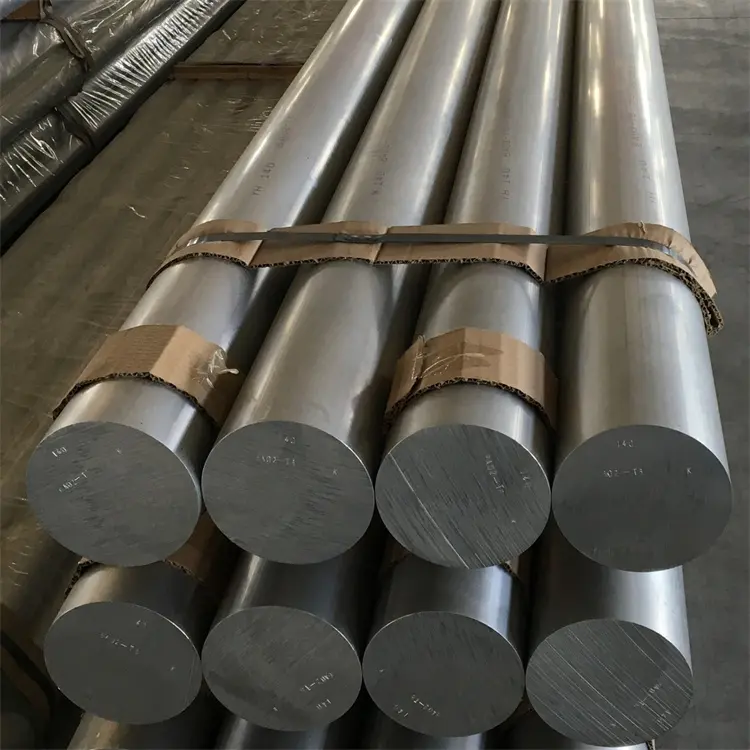
In recent years, rapid advancements in materials science have led to the creation of cutting-edge alloy formulations that are redefining industrial standards. These innovative materials, such as high-entropy alloys and shape-memory alloys, offer unprecedented combinations of strength, ductility, and corrosion resistance. By incorporating multiple principal elements in near-equal proportions, these alloys enable tailored properties that traditional single-component metals cannot achieve, opening doors to applications in extreme environments like aerospace and energy sectors.
The industrial impact of these formulations is far-reaching, with sectors like automotive and manufacturing experiencing significant transformations. For instance, lightweight alloys are now widely used to reduce vehicle weight, enhancing fuel efficiency without compromising safety. Companies are leveraging these materials to design more durable components, leading to longer product lifespans and reduced maintenance costs. This shift is not just technical; it fosters economic growth by driving innovation and creating new market opportunities globally.
Looking ahead, the continuous evolution of alloy technologies promises to further revolutionize industries, from medical implants to sustainable energy systems. Collaborative research between academia and industry is key to unlocking their full potential, ensuring that these materials remain at the forefront of technological progress. As this field expands, it will likely inspire even more creative solutions to modern engineering challenges.
Innovative Heat Treatment Methods for Enhanced Material Properties
Recent advancements in materials science have ushered in a new era of heat treatment techniques, moving beyond traditional methods like quenching and tempering to unlock superior material characteristics. For instance, cryogenic treatments, which expose metals to extremely low temperatures, have gained traction for refining microstructures in high-performance alloys. By subjecting components to liquid nitrogen temperatures, internal stresses are relieved and residual austenite transforms into martensite, resulting in enhanced hardness and wear resistance without compromising toughness. This approach is particularly valuable in aerospace and automotive applications, where durability under extreme conditions is paramount.
Another cutting-edge method is laser heat treatment, which offers precise, localized control over thermal processing. Unlike conventional furnaces that heat entire parts uniformly, lasers can selectively modify surface properties, creating hardened layers while preserving the core material's ductility. This technique reduces energy consumption and minimizes distortion, making it ideal for complex geometries in medical implants or tooling. By adjusting parameters such as power and scanning speed, engineers can tailor microstructures to achieve specific mechanical properties, pushing the boundaries of what's possible with metals and alloys.
Electromagnetic pulse treatments represent a further innovation, utilizing rapid electrical discharges to induce shock waves that refine grain structures. This method, often used for metals like aluminum and titanium, leads to improved fatigue resistance and corrosion behavior. It's a non-contact process that avoids chemical contamination, aligning with sustainability goals in manufacturing. These novel approaches not only boost performance but also expand material design possibilities, enabling lighter, stronger components across industries from construction to electronics.
Precision Fabrication and Customized Steel Solutions
At the heart of our operations lies a commitment to precision fabrication, where state-of-the-art technology meets expert craftsmanship to deliver steel components that exceed industry standards. Whether you're tackling a complex architectural project or heavy industrial needs, we ensure every cut, weld, and finish is executed with meticulous attention to detail, resulting in durable, reliable, and flawlessly engineered solutions. This dedication to accuracy not only enhances structural integrity but also streamlines assembly processes, saving you time and resources on-site.
Customized steel solutions are tailored to your unique specifications, blending innovative design with practical functionality to address specific challenges. Our team collaborates closely with clients from concept to completion, offering flexible options in material selection, size, shape, and coating to meet diverse applications—from sleek modern facades to robust machinery frames. This personalized approach ensures that each project is optimized for performance, cost-efficiency, and aesthetic appeal, setting your venture apart in a competitive market.
By integrating precision fabrication with bespoke customization, we empower businesses to achieve their goals without compromise, delivering steel products that are as unique as the visions they support. Explore how our expertise can transform your next project into a standout success through unparalleled quality and innovation.
Sustainable Practices and Eco-Friendly Production Advances
Industries worldwide are rapidly adopting sustainable practices, moving beyond mere compliance to integrate environmental stewardship into their core operations. Companies now prioritize renewable energy sources, such as solar and wind power, to reduce carbon footprints, while implementing closed-loop systems that minimize waste by repurposing materials. For instance, in manufacturing, advanced recycling technologies allow for the reuse of plastic and metals, cutting down on landfill contributions and conserving natural resources.
A key focus in eco-friendly production is the development of biodegradable and compostable materials, replacing traditional plastics derived from fossil fuels. Innovators are experimenting with plant-based alternatives like mushroom mycelium or algae, which decompose naturally without harming ecosystems. Additionally, water conservation techniques, such as rainwater harvesting and efficient filtration systems, are becoming standard in sectors like agriculture and textiles, ensuring minimal environmental impact throughout the production cycle.
To stand out, forward-thinking organizations are embracing transparency and circular economy models, where products are designed for longevity and easy disassembly. This shift not only reduces waste but also fosters consumer trust, as brands openly share their sustainability metrics and progress. By leveraging cutting-edge technologies like AI for energy optimization and IoT for resource tracking, businesses are setting new benchmarks, proving that economic growth and environmental health can coexist harmoniously.
Emerging Applications in High-Performance Engineering Sectors
High-performance engineering sectors are witnessing a surge of innovative applications that push the boundaries of technology. One standout area is the integration of advanced materials, such as graphene and metamaterials, into aerospace and automotive designs. These materials enable lighter, stronger structures that enhance fuel efficiency and durability, directly addressing modern demands for sustainability and performance. Companies are now leveraging these developments to create next-generation vehicles and aircraft that outperform traditional models in both speed and resilience.
Another key trend is the rise of digital twin technology, which is revolutionizing fields like construction and manufacturing. By creating virtual replicas of physical assets, engineers can simulate and optimize processes in real-time, reducing downtime and predicting maintenance needs before failures occur. This proactive approach not only cuts costs but also improves safety and operational efficiency, making it a game-changer for industries reliant on complex machinery and infrastructure.
In the energy sector, high-performance engineering is driving innovations in renewable energy systems, such as more efficient wind turbines and solar panels. Advanced computational models and AI-driven analytics help design components that maximize energy capture while withstanding harsh environmental conditions. This focus on cutting-edge applications ensures that engineering solutions not only meet current challenges but also pave the way for a more sustainable and technologically advanced future.
FAQ
Key innovations include advanced smelting techniques like vacuum induction melting, additive manufacturing methods such as 3D printing for complex parts, and the integration of AI-driven quality control systems that enhance precision and reduce waste.
They enable longer component lifespans in harsh environments, such as chemical plants, reducing replacement frequency. Additionally, recycling processes for nickel alloys have improved, supporting circular economy goals by reclaiming up to 95% of the materials.
Emerging applications include high-performance components in aerospace, such as turbine blades for hypersonic engines, and biomedical implants like corrosion-resistant joints that last decades in the human body.
Automation has led to automated robotic handling systems for high-temperature metals, real-time monitoring sensors that predict equipment failures, and digital twin simulations to optimize production lines for efficiency and safety.
They are critical in geothermal power plants for heat exchangers, hydrogen production systems where they resist embrittlement, and offshore wind turbines that require durability against saltwater corrosion.
Challenges include sourcing rare nickel isotopes sustainably, managing high energy costs for precision forging, and adapting legacy infrastructure to integrate new, eco-friendly manufacturing processes.
Conclusion
Revolutionary production techniques are transforming nickel alloy steel manufacturing, with factories adopting automated forging systems and additive manufacturing methods that allow for complex geometries and reduced material waste. These advancements in production are complemented by cutting-edge alloy formulations that incorporate rare earth elements and micro-alloying techniques, significantly enhancing corrosion resistance and mechanical strength for demanding industrial applications. Simultaneously, innovative heat treatment methods like cryogenic processing and controlled atmosphere annealing are being implemented to achieve superior material properties, such as increased toughness and fatigue resistance.
Precision fabrication technologies enable customized steel solutions tailored to specific client needs, from intricate aerospace components to specialized marine equipment. Sustainability has become a core focus, with factories integrating eco-friendly practices like closed-loop water systems and energy-efficient smelting processes to minimize environmental impact. These innovations are driving emerging applications in high-performance sectors, including advanced nuclear reactors, deep-sea exploration tools, and next-generation automotive systems, positioning nickel alloy steel as a critical material for future engineering breakthroughs.
Contact Us
Contact Person: Zoe Liang
Email: [email protected]
Tel/WhatsApp: 86 189 2128 6299
Website: https://www.baowuchina.com
