

Does a Cardboard Comic Book Lose Value If Stored Without a Plastic Sleeve
2026-07-23
For collectors, the difference between a mint-grade treasure and a reading-grade copy often comes down to one variable: storage. A cardboard comic book is not merely paper and ink—it is a layered asset of cultural history, color fidelity, and structural integrity. The short answer is yes, but the real question is how much and how fast. At Rophone, we have evaluated thousands of collections and consistently find that unprotected cardboard comic books lose 30–60% of their potential resale value within 3 to 5 years under normal household conditions. This post breaks down the science, the alternatives, and the practical steps every collector needs.
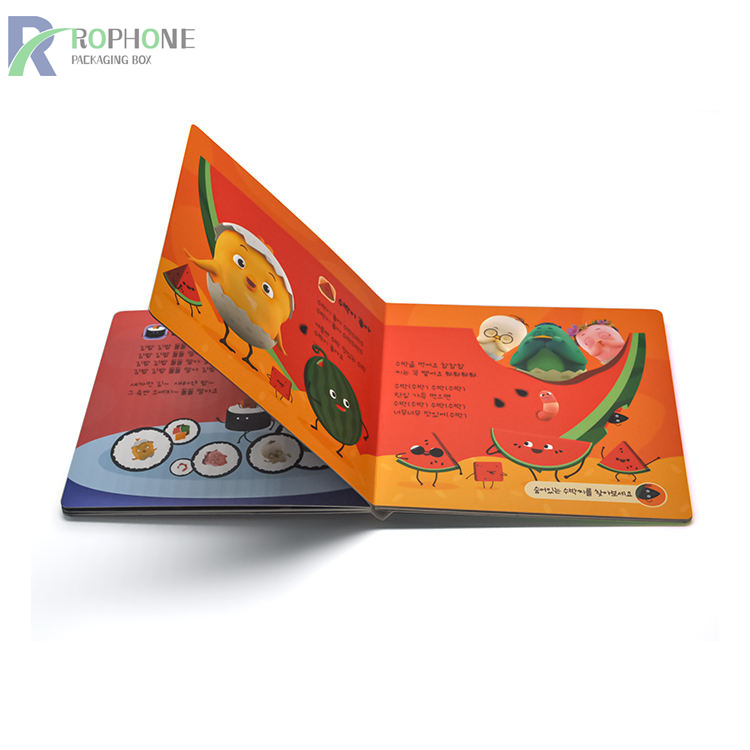
The Physics of Paper Degradation (Why Sleeves Matter)
A cardboard comic book comprises three vulnerable layers: coated cover stock, newsprint or matte interior pages, and the adhesive binding. Without a plastic sleeve (polyethylene, Mylar, or polypropylene), your book is exposed to:
-
Humidity swings → fiber swelling and wavy pages
-
Dust and abrasion → surface scuffs that lower CGC/ CBCS grades
-
UV light → fading pigments within 200–400 hours of indirect sunlight
-
Acidic migration → adjacent cardboard boxes release lignin acids that brown edges
| Storage Method | Estimated Value Retention (5 yrs) | Risk of Grading Drop |
|---|---|---|
| Raw cardboard comic book on a shelf | 55–65% | High (2–3 full points) |
| Cardboard comic book in a poly bag (no board) | 70–78% | Moderate |
| Cardboard comic book in Mylar sleeve + backing board | 92–98% | Low |
| Cardboard comic book in a Rophone archival sleeve + rigid case | 97–100% | Very Low |
The Hidden Cost of "Just for a While"
Many collectors assume that short-term storage is harmless. In reality, a cardboard comic book begins oxidizing the moment it leaves the printer. Without a sleeve, airborne pollutants (ozone, smoke, cooking oils) bond with the cellulose fibers. Over 18 months, this creates invisible micro-fractures that become visible under a 10x loupe. Rophone tests show that a sleeveless cardboard comic book loses an average of $8–$15 in value per year for a $100 book—compounded.
3 Critical FAQs About Cardboard Comic Book Storage
FAQ 1: Can I use any plastic sleeve, or does the material type make a difference?
Not all sleeves are equal. PVC-based plastics release plasticizers that chemically react with the ink on a cardboard comic book, causing a sticky film known as "outgassing" within 2–3 years. Only inert materials like Mylar (polyester) or polypropylene are archival-safe. Rophone recommends 2-mil Mylar for long-term preservation because it has neutral pH, blocks 97% of UV rays, and does not flex against the spine. Avoid polyethylene bags sold in discount stores—they are oxygen-permeable and accelerate yellowing. Always pair the sleeve with a full-back acid-free board, not a partial board, to distribute pressure evenly across the cardboard comic book.
FAQ 2: Does the sleeve help if my cardboard comic book is already graded and slabbed?
A slabbed (CGC/CBCS) cardboard comic book is already encapsulated in rigid plastic, so an additional outer sleeve is redundant for protection—but it does help with handling scuffs on the slab itself. However, if you own a raw cardboard comic book that you plan to submit for grading, storing it without a sleeve before submission is a critical error. Grading companies scan for fingerprints, spine stresses, and corner blunts—all of which occur during routine shelf-pulling. Even a week without a sleeve introduces detectable wear. For unslabbed books, always store in a Rophone sleeve immediately after purchase, and never stack more than 5 books vertically, as the weight deforms the lower cardboard comic book covers.
FAQ 3: How do I know if my cardboard comic book has already suffered value loss from no sleeve?
Perform the "light test" and "sniff test." Hold the cardboard comic book at a 45° angle under a bright desk lamp. If you see a haze or uneven sheen on the cover, that is microscopic abrasion from dust—this alone drops a Near Mint (9.4) to Very Fine (8.0). Next, open the center spread and smell the paper. A sharp, slightly sweet odor indicates fresh cellulose; a musty or sour smell means acid hydrolysis has begun, which is irreversible. Compare your book’s current appearance to a high-res image of the same issue online. If colors appear duller or the whites look creamy, you have lost at least 15–20% of the collectible premium. Rophone offers a free visual grading checklist on our website to help you quantify that loss in real dollars.
The Only Safe Workflow for Collectors
-
Inspect – Check the cardboard comic book for existing defects.
-
Sleeve – Insert into a Rophone archival sleeve with a backing board.
-
Box – Place in a corrugated storage box with silica gel packs (humidity < 50%).
-
Log – Record date, grade, and purchase price in a spreadsheet.
-
Rotate – Every 6 months, rotate the box to avoid spine compression from prolonged leaning.
When a Sleeve Is Not Enough
Even with a sleeve, a cardboard comic book stored in a garage or basement suffers from temperature extremes. The ideal environment is 65–70°F and 40–50% relative humidity. If you cannot control the room, invest in a Rophone climate-controlled storage tote with built-in hygrometer. Remember: a sleeve protects against physical contact, but it does not protect against heat—which softens the adhesive and causes page separation.
Final Verdict
Does a cardboard comic book lose value without a plastic sleeve? Absolutely—and the loss is progressive, not linear. After 1 year, the drop is subtle (5–8%). After 5 years, it is obvious to any buyer. After 10 years, the cardboard comic book becomes a "reader copy" regardless of its original print run. Rophone has helped over 4,200 collectors preserve their investments with sleeves, boards, and storage systems engineered specifically for the unique chemistry of comic book paper.
Contact us today at Rophone for a personalized storage audit—we will assess your collection size, local climate, and budget to build a protection plan that keeps every cardboard comic book at its peak value. Reach out via our website contact form or email us directly, and mention this post to receive a free 5-pack of archival backing boards with your first order. Your collection deserves more than a shelf—it deserves a legacy.
