

How Are PETG Bottles Manufactured?
2026-06-22
Abstract
PETG bottles have become a widely adopted packaging solution across cosmetics, food-grade containers, pharmaceuticals, and specialty chemicals due to their clarity, impact resistance, and processing flexibility. This article explains how PETG bottles are manufactured, why they are preferred over traditional plastics in many applications, and what technical and commercial considerations buyers should understand before selecting a supplier. It also explores performance characteristics, production workflows, quality control systems, and sustainability factors relevant to modern packaging decisions, with practical insights from industrial use cases and real-world manufacturing standards.
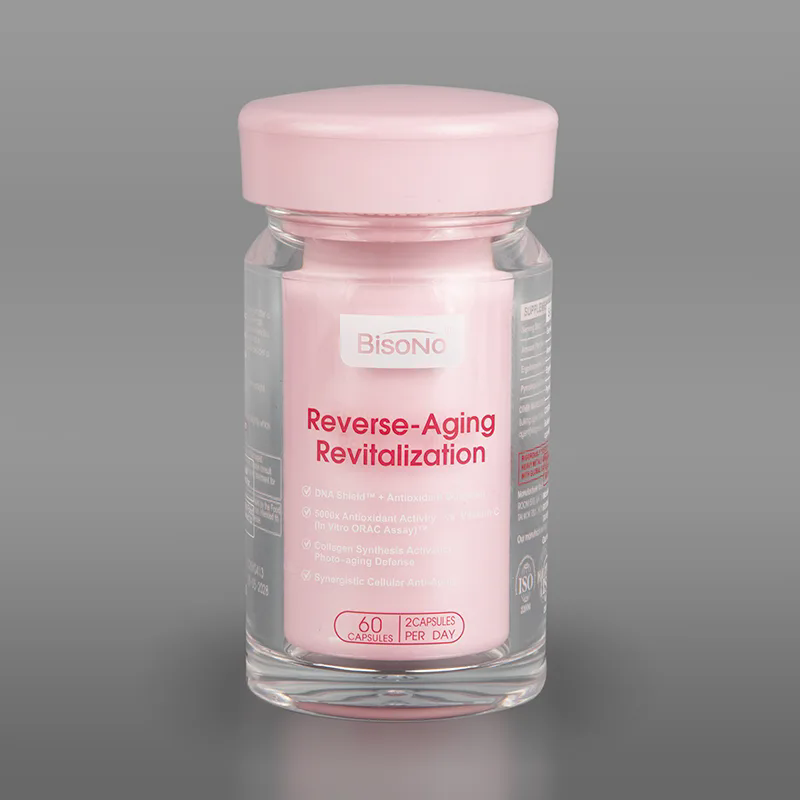
Table of Contents
- Outline
- 1. Understanding PETG Material
- 2. PETG Bottle Manufacturing Process
- 3. Key Properties and Performance Advantages
- 4. Industry Applications
- 5. PETG vs Other Plastics
- 6. Quality Control and Testing
- 7. Sustainability Considerations
- 8. Procurement and Selection Guide
- FAQ
- Conclusion
Outline
This article provides a structured breakdown of PETG bottle production from raw material science to finished packaging. It highlights manufacturing techniques such as injection molding and stretch blow molding, evaluates performance characteristics like transparency and chemical resistance, and compares PETG with alternative plastics. The content also includes a decision-making guide for procurement teams and concludes with frequently asked questions for practical clarity.
1. Understanding PETG Material
PETG (Polyethylene Terephthalate Glycol-modified) is an amorphous thermoplastic derived from PET with glycol modification that enhances clarity, toughness, and processing stability. Unlike standard PET, PETG avoids crystallization during cooling, resulting in a highly transparent and visually appealing material suitable for premium packaging.
In packaging applications, PETG is particularly valued for its combination of mechanical strength and optical clarity. It is widely used where product visibility and branding presentation are critical, such as skincare bottles, essential oil containers, and laboratory packaging.
2. PETG Bottle Manufacturing Process
The production of PETG bottles involves several precision-controlled stages. Manufacturers like Rugui employ industrial-grade processes to ensure consistency, dimensional accuracy, and surface quality.
Step 1: Raw Material Drying
PETG resin is highly sensitive to moisture. Before processing, it is dried at controlled temperatures to prevent hydrolytic degradation during melting.
Step 2: Injection Molding of Preforms
PETG pellets are melted and injected into molds to form preforms. These preforms define the neck finish and basic geometry of the final bottle.
Step 3: Conditioning and Heating
Preforms are reheated uniformly using infrared heaters to achieve optimal malleability without causing material degradation.
Step 4: Stretch Blow Molding
The heated preform is stretched mechanically and inflated into a bottle mold using compressed air. This step determines wall thickness distribution and final bottle shape.
Step 5: Cooling and Ejection
The bottle is rapidly cooled within the mold to preserve clarity and dimensional stability before ejection.
Step 6: Trimming and Inspection
Excess material is trimmed, and bottles undergo visual and mechanical inspection for defects such as haze, deformation, or uneven wall thickness.
3. Key Properties and Performance Advantages
PETG bottles offer several advantages that make them suitable for high-end packaging applications:
- High Transparency: Glass-like clarity enhances product visibility and shelf appeal.
- Impact Resistance: More durable than PET in many applications, reducing breakage risk.
- Chemical Stability: Suitable for a wide range of cosmetic and personal care formulations.
- Design Flexibility: Easily molded into complex shapes and custom designs.
- Low Processing Temperature Stress: Reduced internal stress improves long-term stability.
4. Industry Applications
PETG bottles are used across multiple industries due to their adaptability:
- Cosmetics and skincare packaging
- Essential oils and aromatherapy products
- Food-grade containers for specialty liquids
- Pharmaceutical packaging for non-reactive storage
- Laboratory and diagnostic sample containers
Manufacturers such as Rugui often supply customized PETG bottles tailored to branding requirements, including color tinting, embossing, and cap compatibility systems.
5. PETG vs Other Plastics
| Property | PETG | PET | HDPE |
|---|---|---|---|
| Transparency | Very High | High | Low (opaque) |
| Impact Resistance | High | Medium | High |
| Chemical Resistance | High | Medium | Very High |
| Processing Ease | Excellent | Good | Good |
| Typical Use | Premium packaging | Beverage bottles | Detergent/industrial |
6. Quality Control and Testing
Quality assurance in PETG bottle manufacturing is essential for maintaining consistency and regulatory compliance. Key inspection stages include:
- Dimensional accuracy testing using precision gauges
- Visual inspection for surface defects and haze
- Drop testing for impact resistance validation
- Leak testing under pressure conditions
- Material traceability checks for batch control
At Rugui, multi-stage inspection systems are implemented to ensure each PETG bottle meets industrial standards before shipment.
7. Sustainability Considerations
Sustainability is becoming increasingly important in packaging selection. PETG offers partial recyclability in certain waste streams, though infrastructure varies by region. Its durability also contributes to reduced product loss due to breakage.
Manufacturers are optimizing production efficiency by reducing scrap rates, improving energy consumption in molding processes, and developing thinner-wall bottle designs without compromising strength.
8. Procurement and Selection Guide
When sourcing PETG bottles, buyers should evaluate the following factors:
- Material grade consistency: Ensures stable clarity and strength.
- Mold precision: Affects sealing performance and visual quality.
- Customization capability: Branding, color, and shape options.
- Production capacity: Important for large-scale supply stability.
- Compliance standards: Especially for cosmetic and food contact use.
Suppliers like Rugui typically offer OEM and ODM services to support tailored packaging development, allowing brands to differentiate products in competitive markets.
FAQ
Q1: Are PETG bottles safe for cosmetic use?
Yes. PETG is widely used in cosmetic packaging due to its chemical stability and non-reactive nature with most formulations.
Q2: Can PETG bottles withstand high temperatures?
PETG has moderate heat resistance. It is suitable for normal storage conditions but not for high-temperature sterilization environments.
Q3: Are PETG bottles recyclable?
They are recyclable in certain systems, but recyclability depends on local waste processing infrastructure.
Q4: What makes PETG better than PET for some applications?
PETG offers improved clarity, impact resistance, and design flexibility, making it ideal for premium packaging.
Q5: Can PETG bottles be customized?
Yes. They can be customized in shape, color, capacity, and surface finish depending on manufacturing capabilities.
Conclusion
PETG bottles represent a balance between visual appeal, mechanical durability, and manufacturing adaptability, making them a preferred choice in premium packaging industries. From raw material processing to final quality inspection, each stage of production requires precision engineering and strict control to ensure performance consistency. Companies seeking reliable packaging solutions often turn to experienced manufacturers like Rugui for scalable and customizable PETG bottle solutions.
For tailored packaging solutions, technical consultation, or bulk procurement support, Rugui is ready to assist you. Contact us today to explore how our PETG bottle solutions can enhance your product presentation and market competitiveness.
