

How Can a Printed Cardboard Tea Tube Enhance Tea Packaging and Brand Value?
2026-10-21
Tea packaging plays an important role in protecting product quality, communicating brand identity, and influencing purchasing decisions. As consumers increasingly value attractive presentation, convenient storage, and environmentally conscious packaging options, a Printed Cardboard Tea Tube has become a practical choice for tea brands, specialty retailers, and gift packaging suppliers. Combining a cylindrical structure with customizable printing, this packaging solution helps businesses present tea products professionally while creating a memorable unboxing experience.
For tea manufacturers and wholesalers, packaging is more than a container. It is an opportunity to differentiate products, strengthen brand recognition, and improve shelf appeal. Wenzhou Yiya Packaging Co., Ltd. provides packaging solutions designed to help businesses balance visual presentation, functional performance, and customization requirements.
What Makes a Printed Cardboard Tea Tube Different?
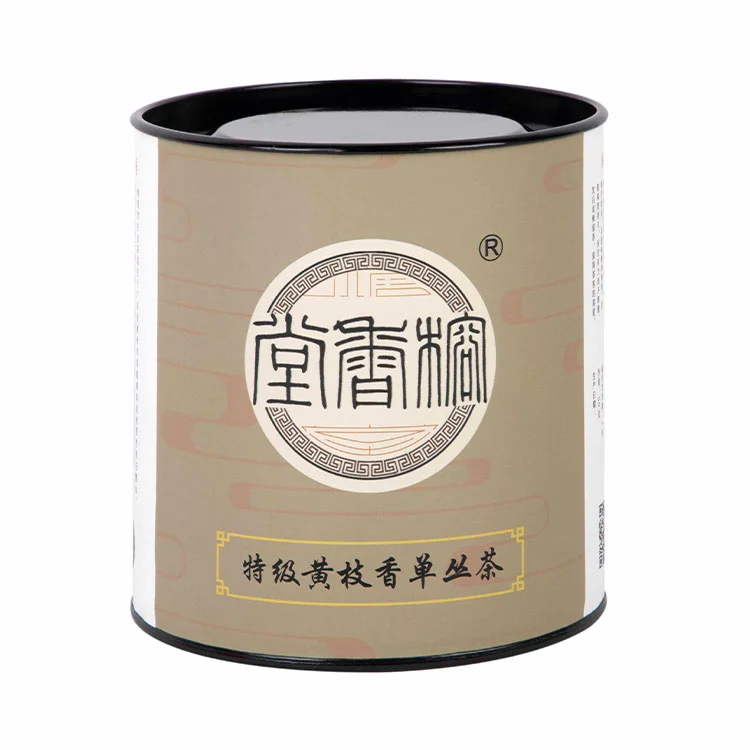
A Printed Cardboard Tea Tube is a cylindrical packaging container made primarily from paperboard or cardboard, with printed graphics that communicate product information and brand identity. Compared with conventional bags or rectangular boxes, its distinctive shape creates a premium appearance and offers additional opportunities for creative packaging design.
Depending on the product requirements, the tube can feature customized dimensions, colors, patterns, logos, and surface finishes. Its interior can also be designed to accommodate an appropriate inner bag or barrier layer when additional protection against moisture, oxygen, or aroma loss is required.
Key characteristics include:
-
Distinctive appearance: The cylindrical shape creates a recognizable silhouette on retail shelves.
-
Customizable printing: Brand logos, tea varieties, brewing instructions, and product information can be incorporated into the design.
-
Practical storage: A well-fitted lid helps keep the contents enclosed during everyday handling.
-
Versatile applications: The format is suitable for loose-leaf tea, tea gifts, premium collections, and seasonal promotional products.
-
Flexible branding opportunities: Different colors, illustrations, and finishes can support different product lines.
These features make cardboard tea tubes suitable for businesses looking to upgrade packaging without relying exclusively on conventional box designs.
Why Is Printed Cardboard Tea Tube Packaging Important?
1. Protecting Tea Quality and Freshness
Tea is sensitive to environmental conditions. Exposure to moisture, oxygen, strong odors, and excessive light can affect its aroma, flavor, and overall quality.
A Printed Cardboard Tea Tube provides a protective outer structure that helps reduce physical damage during storage, display, and transportation. However, cardboard alone is not necessarily an effective barrier against moisture or oxygen. For products requiring extended freshness, the packaging should incorporate a suitable inner liner, sealed pouch, or other barrier solution.
When selecting packaging, tea brands should consider the following factors:
-
The type of tea being packaged, including loose-leaf tea, herbal blends, or flavored tea.
-
The expected shelf life and storage environment.
-
The compatibility of the inner packaging with food-contact requirements.
-
The effectiveness of the closure and any required sealing system.
Matching the packaging structure to the product's preservation needs helps businesses deliver a more consistent customer experience.
2. Improving Shelf Appeal and Customer Perception
Packaging is often the first physical interaction customers have with a tea brand. A carefully designed tube can communicate quality, craftsmanship, and product differentiation before the consumer opens the container.
For example, minimalist typography and neutral colors may suit modern wellness tea brands, while botanical illustrations and traditional patterns can reinforce the heritage of specialty tea products. Metallic accents or textured finishes may also help create a more premium presentation when appropriate.
A Printed Cardboard Tea Tube can support:
-
Better visual differentiation among competing products.
-
More consistent branding across multiple tea varieties.
-
Attractive presentation for gift sets and special editions.
-
Improved recognition in retail displays and online product photography.
Although attractive packaging cannot guarantee higher sales, it can help establish a stronger product identity and encourage customers to take a closer look.
How Does Custom Printing Improve Brand Marketing?
Custom printing transforms a basic container into a practical brand communication tool. Instead of using generic packaging, businesses can develop a design that reflects their target market, product positioning, and overall brand personality.
Important design elements include the company logo, tea variety, flavor description, origin information, brewing instructions, and other relevant product details. QR codes can also direct customers to brewing guides, product stories, or company websites.
Recommended Customization Options
| Packaging Element | Purpose | Potential Benefit |
|---|---|---|
| Custom logo and graphics | Establish brand identity | Improve recognition |
| Color selection | Distinguish product varieties | Create a consistent product range |
| Matte or gloss finish | Adjust visual presentation | Support different brand styles |
| Embossing or foil accents | Highlight selected design elements | Create a premium appearance |
| Customized tube dimensions | Match the product and filling quantity | Improve packaging fit |
| Inner liner or sealed pouch | Provide additional product protection | Help maintain freshness when properly specified |
The most effective design is not necessarily the most elaborate. Clear information, appropriate colors, and a recognizable visual identity often create a more cohesive result than excessive decorative elements.
Which Tea Products Are Suitable for Cardboard Tube Packaging?
The versatility of a Printed Cardboard Tea Tube makes it suitable for a range of tea-related applications.
Loose-leaf tea: Cylindrical packaging provides an organized presentation for premium loose-leaf products, especially when paired with an appropriate inner pouch.
Herbal and wellness tea blends: Customized colors and illustrations can help communicate ingredients, flavor profiles, and product positioning.
Premium gift tea: A rigid or reinforced tube can create an attractive gift-ready appearance for holidays, corporate gifts, and special occasions.
Specialty and single-origin tea: Printing can highlight tea origins, harvest information, tasting notes, and brewing recommendations.
Promotional tea collections: Businesses can use different printed designs to distinguish seasonal products, limited editions, or promotional campaigns.
For every application, the tube's dimensions, structural strength, closure, and internal protection should be selected according to the tea's weight, filling method, storage requirements, and distribution conditions.
Printed Cardboard Tea Tube vs. Traditional Tea Packaging
Choosing the right packaging format requires balancing appearance, protection, cost, and practical use.
| Comparison Factor | Printed Cardboard Tea Tube | Conventional Paper Box | Flexible Tea Pouch |
|---|---|---|---|
| Visual presentation | Distinctive cylindrical shape | Familiar rectangular format | Lightweight and compact |
| Branding potential | Strong surface-design opportunities | Flexible panel-based printing | Suitable for prominent printed graphics |
| Structural protection | Depends on board thickness and construction | Depends on box structure | Generally offers limited structural protection |
| Storage efficiency | Requires consideration of cylindrical shape | Often stacks efficiently | Usually highly space-efficient |
| Freshness protection | May require an inner barrier | May require an inner barrier | Depends on the pouch material and seal |
| Typical applications | Premium tea, gifts, specialty products | Retail tea and multipacks | Everyday tea and refill packaging |
There is no universally superior format. A cardboard tube may be particularly attractive for premium presentation, while a flexible pouch may be more suitable when minimizing packaging volume is the primary objective.
Businesses should compare the complete packaging system rather than evaluating the outer container alone.
How Can Businesses Choose the Right Printed Cardboard Tea Tube?
Before placing a bulk order, buyers should evaluate several technical and commercial considerations.
-
Define the product specifications. Confirm the tea type, filling weight, tube diameter, height, and required internal space.
-
Determine the protection requirements. Establish whether the product needs a moisture barrier, aroma protection, a sealed inner pouch, or additional light protection.
-
Select suitable materials. Choose an appropriate paperboard structure based on durability, appearance, and the intended distribution environment.
-
Prepare the artwork. Ensure that the logo, product details, colors, and required labeling are suitable for the printing process.
-
Evaluate finishing options. Consider whether matte coating, gloss coating, embossing, or foil details are consistent with the brand's positioning and budget.
-
Request samples before mass production. Check the dimensions, color accuracy, lid fit, print quality, and overall appearance before approving a production order.
-
Review order quantities and lead times. Confirm minimum order quantities, production schedules, shipping arrangements, and quality inspection procedures with the supplier.
A structured evaluation process helps reduce packaging mismatches and makes it easier to achieve consistent results across different product batches.
Why Work with Wenzhou Yiya Packaging Co., Ltd.?
For tea brands, importers, wholesalers, and packaging distributors, choosing a suitable supplier is an important part of product development. Packaging must meet design expectations while remaining practical for production, filling, storage, and distribution.
Wenzhou Yiya Packaging Co., Ltd. can be approached for discussions about Printed Cardboard Tea Tube packaging requirements, including product dimensions, printing artwork, structural design, and finishing preferences.
When evaluating a customized packaging project, buyers should confirm the supplier's available material options, printing capabilities, sampling process, food-contact suitability, production capacity, and quality control arrangements. These details help establish whether a proposed packaging solution meets the project's commercial and technical requirements.
A well-planned collaboration can also help businesses maintain a consistent appearance across multiple product varieties and develop packaging that supports long-term brand development.
Conclusion
A Printed Cardboard Tea Tube combines distinctive presentation with practical packaging possibilities. Its cylindrical shape, customizable graphics, and flexible design options make it an appealing choice for specialty tea, premium gift products, and branded tea collections.
However, successful tea packaging depends on more than appearance. Material selection, closure design, inner barrier protection, printing quality, and product compatibility all influence the final result. By balancing these factors, businesses can develop packaging that protects their products appropriately while communicating their brand values effectively.
Wenzhou Yiya Packaging Co., Ltd. welcomes inquiries from tea brands, wholesalers, and packaging buyers seeking customized packaging solutions. Contact us to discuss your Printed Cardboard Tea Tube requirements, explore design possibilities, and identify a packaging option that aligns with your product specifications, branding goals, and business needs.
