

How Do Stainless Steel Pipe Fittings Work?
2026-03-16
Abstract: Stainless steel pipe fittings are essential components in industrial, commercial, and residential piping systems. They connect, redirect, or terminate pipes, ensuring efficient flow and structural integrity. This article explores their types, applications, materials, installation methods, and maintenance considerations, helping engineers, contractors, and end-users make informed decisions.
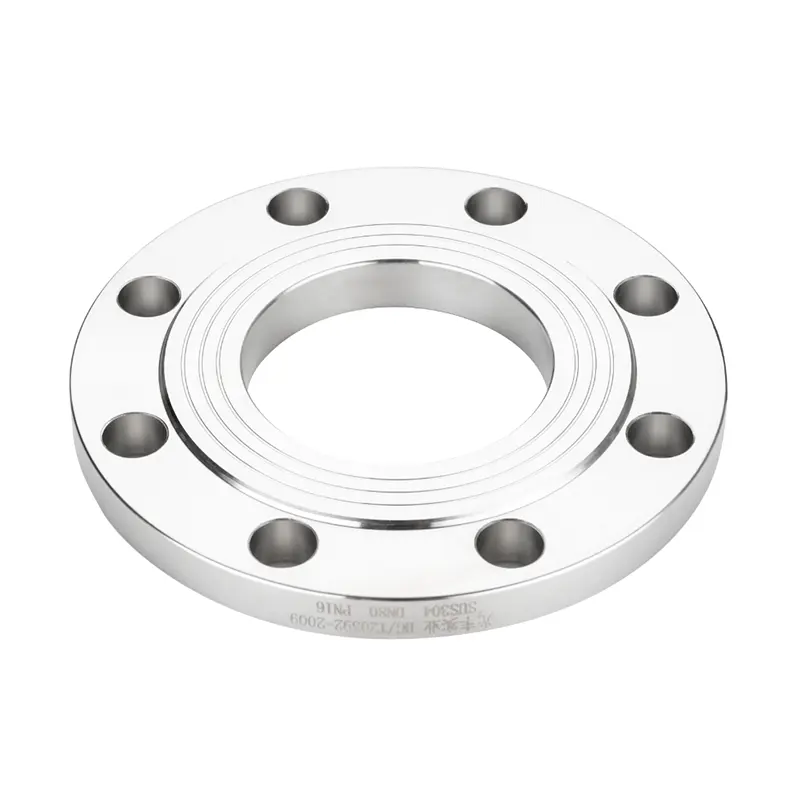
Table of Contents
Introduction to Stainless Steel Pipe Fittings
Stainless steel pipe fittings are connectors that join sections of pipe in a piping system. They ensure proper flow direction, secure connections, and system stability. Unlike other materials, stainless steel offers corrosion resistance, high mechanical strength, and longevity, making it ideal for demanding environments such as chemical plants, oil refineries, and food processing facilities.
Choosing the right pipe fitting involves understanding the system’s pressure, temperature, and chemical exposure requirements. With stainless steel, users benefit from low maintenance costs and reliable performance.
Types of Stainless Steel Pipe Fittings
Stainless steel pipe fittings come in various shapes and designs, each serving a specific purpose. Common types include:
- Elbows: Change the direction of flow, typically 45° or 90° angles.
- Tees: Allow for branch connections in pipelines.
- Reducers: Connect pipes of different diameters, maintaining smooth flow.
- Couplings: Connect two pipes in a straight line.
- Caps and Plugs: Seal the end of a pipe for maintenance or system closure.
- Flanges: Provide strong, removable connections, commonly used in industrial setups.
Here’s a quick overview in a table format:
| Fitting Type | Function | Common Use |
| Elbow | Redirect flow | Pipe bends in industrial pipelines |
| Tee | Branch connection | Water and gas distribution |
| Reducer | Connect different diameters | Transition in pipeline systems |
| Coupling | Straight connection | Repair or extension of pipes |
| Cap/Plug | Seal pipe end | Maintenance or system closure |
| Flange | Removable joint | Industrial installations and maintenance access |
Applications in Industry and Construction
Stainless steel pipe fittings are widely used across sectors due to their durability and corrosion resistance. Key applications include:
- Chemical Industry: Resistant to acids and caustic substances.
- Food and Beverage: Hygienic fittings for sanitary pipelines.
- Oil and Gas: High-pressure pipelines requiring durable connections.
- Water Treatment: Corrosion-resistant pipelines for potable and wastewater systems.
- HVAC Systems: Efficient and leak-proof connections in heating, cooling, and ventilation.
Materials and Grades
Stainless steel fittings are manufactured in different grades to meet specific application requirements:
- 304 Stainless Steel: General-purpose, excellent corrosion resistance, ideal for indoor use.
- 316 Stainless Steel: Enhanced resistance to chemicals and marine environments.
- Duplex Stainless Steel: High strength and corrosion resistance for industrial pipelines.
Choosing the right grade ensures longevity, reduces maintenance, and prevents system failures.
Installation Methods
Proper installation is critical to ensure leak-free operation and system integrity. Methods include:
- Threaded Connections: Simple to install but suitable only for low-pressure systems.
- Welded Fittings: Permanent and strong connections for high-pressure pipelines.
- Flanged Fittings: Allow for removable connections, simplifying maintenance.
- Compression Fittings: Quick installation without welding; suitable for smaller pipes.
Professional installation ensures compliance with safety standards and optimal system performance.
Maintenance and Durability
Stainless steel pipe fittings are low-maintenance, but periodic inspection helps prevent long-term issues. Key considerations:
- Regularly check for leaks, corrosion spots, and joint integrity.
- Clean fittings in food or chemical pipelines to prevent contamination.
- Use proper lubricants for threaded connections to reduce wear.
With correct selection and care, these fittings can last decades even in harsh environments.
Frequently Asked Questions
Q1: What is the difference between 304 and 316 stainless steel fittings?
Q2: Can stainless steel fittings be used in high-temperature pipelines?
Q3: How do I prevent leaks in threaded stainless steel fittings?
Contact Us
For high-quality stainless steel pipe fittings, Guangfeng Industrial Co., Ltd. offers a wide range of products suitable for industrial, commercial, and residential projects. Our team provides expert guidance on selecting the right fittings for your system and ensuring seamless installation. Contact us today to request a quote or learn more about our products and services.
