

How Do You Troubleshoot Adhesion Issues with Pigment Flexo Cold Foil
2026-10-14
Adhesion failures are among the most common and costly problems encountered when running Pigment Flexo Cold Foil on narrow-web and mid-web flexographic presses. At Hongye, we have supported converters across packaging, labels, and shrink sleeves for years, and the same root causes appear repeatedly: incorrect surface energy, insufficient nip pressure, mismatched adhesive chemistry, and poor curing control. This guide breaks down a practical troubleshooting framework used by Hongye technical teams to diagnose and eliminate adhesion defects quickly.
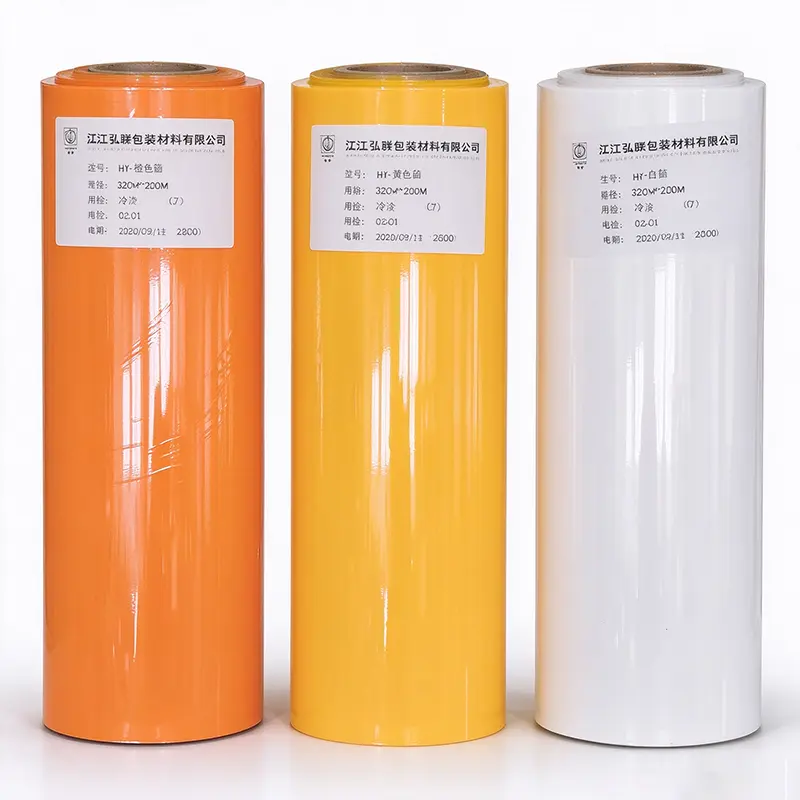
Understanding the Adhesion Mechanism
Pigment Flexo Cold Foil transfers a pigmented foil layer onto a UV-curable adhesive that has been printed flexographically. Adhesion depends on three simultaneous conditions:
-
The adhesive must be partially cured (B-stage) to remain tacky.
-
The foil must be nipped under consistent pressure and temperature.
-
The substrate surface energy must exceed the adhesive's wetting threshold.
When any of these fail, you see speckling, edge lift, partial transfer, or complete foil rejection.
Primary Troubleshooting Checklist
| Symptom | Likely Cause | Corrective Action |
|---|---|---|
| Patchy, incomplete transfer | Low nip pressure or worn nip roller | Increase nip pressure incrementally; replace roller |
| Foil lifts at edges | Insufficient adhesive cure | Adjust UV lamp power or line speed |
| Total foil rejection | Surface energy too low | Corona treat or prime substrate |
| Adhesion loss after lamination | Adhesive/foil chemistry mismatch | Verify Hongye foil grade compatibility |
| Scumming in non-image areas | Over-cured adhesive | Reduce UV dose; check lamp focus |
Step-by-Step Diagnostic Process
-
Measure surface energy with dyne pens before every run. Most substrates require 38–42 dynes/cm for reliable Pigment Flexo Cold Foil anchoring.
-
Verify adhesive deposit weight using a gravimetric check. Too little adhesive starves the bond; too much causes squashing and inconsistent transfer.
-
Check UV curing profile with a radiometer. The adhesive should be tacky but not fully polymerized.
-
Inspect nip roller condition for flat spots, contamination, or hardness drift.
-
Confirm foil lot consistency by running a control sample from a known-good Hongye batch.
-
Evaluate environmental conditions — humidity above 60% RH often disrupts adhesive tack.
FAQ: Pigment Flexo Cold Foil Adhesion
What causes Pigment Flexo Cold Foil to fail adhesion on film substrates?
Low surface energy is the leading cause; corona treatment or a primer usually restores bond strength.
Can Pigment Flexo Cold Foil adhere to coated paper without primer?
Yes, if the coating's surface energy is above 38 dynes/cm and the adhesive is properly B-staged.
How does nip pressure affect Pigment Flexo Cold Foil transfer?
Insufficient pressure prevents intimate contact; excessive pressure causes foil distortion and adhesive squeeze-out.
Does humidity impact Pigment Flexo Cold Foil adhesion?
High humidity reduces adhesive tack and can cause blocking; maintain 45–55% RH for best results.
How do I choose the right Hongye Pigment Flexo Cold Foil grade?
Match foil chemistry to your adhesive system and substrate; Hongye provides technical datasheets and sample kits for validation.
Preventing Recurring Adhesion Problems
Standardize incoming substrate testing, document UV dose windows, and maintain nip roller logs. Converters who adopt these controls report fewer than 2% adhesion-related waste. Hongye recommends quarterly audits of adhesive, foil, and curing parameters to sustain consistent output.
Contact Us
Ready to eliminate adhesion defects and improve your Pigment Flexo Cold Foil performance? Contact Hongye today for technical consultation, sample foils, and on-site troubleshooting support tailored to your press and substrate combination.
