

How Does Canned Food Packaging PE Heat Shrink Wrap Improve Product Protection?
2026-10-23
Canned food manufacturers face several packaging challenges, from preventing scratches and dents during transportation to maintaining an attractive appearance on retail shelves. As production volumes increase and supply chains become more complex, choosing reliable secondary packaging becomes essential. Canned Food Packaging PE Heat Shrink Wrap offers a practical solution by bundling cans securely, improving handling efficiency, and providing an additional protective layer against dust, moisture, and everyday friction. For food processors, distributors, and packaging buyers, the right shrink film can help reduce packaging damage while supporting consistent product presentation. Dongguang County Donghui Heat Shrink Film Co., Ltd. provides PE heat shrink film solutions designed to meet the needs of modern packaging operations.
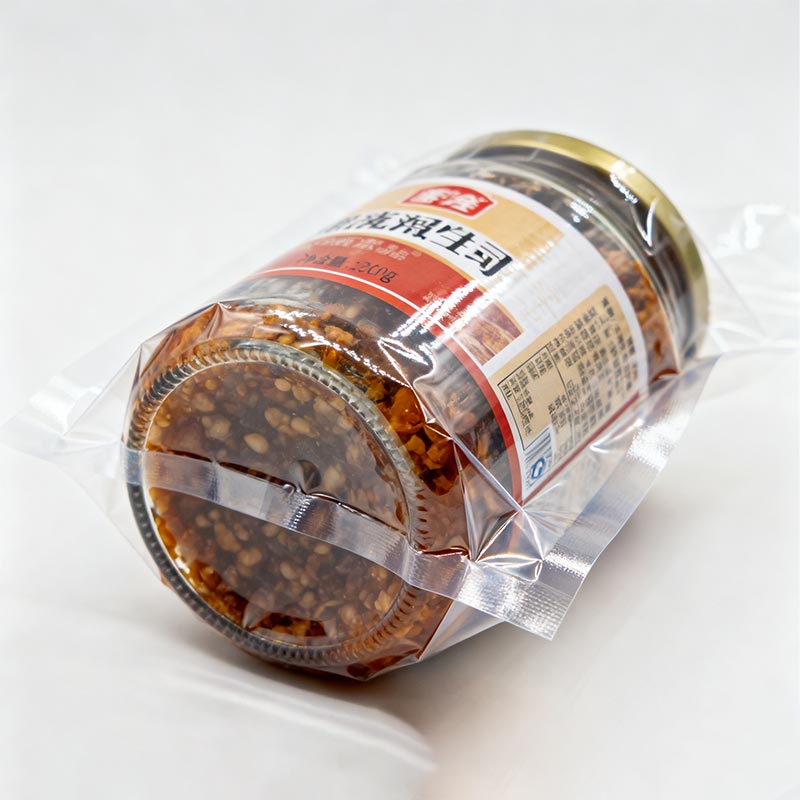
1. What Is Canned Food Packaging PE Heat Shrink Wrap?
Canned Food Packaging PE Heat Shrink Wrap is a polyethylene film designed to shrink tightly around canned products when exposed to controlled heat. After shrinking, the film forms a close-fitting outer layer that helps hold multiple cans together during storage, transportation, and distribution.
Unlike individual primary packaging, which directly contains the food, PE shrink wrap is commonly used as secondary packaging. It keeps cans grouped into multipacks, making them easier to move, stack, display, and sell.
Typical applications include:
-
Canned vegetables, fruits, and beans
-
Canned meat, fish, and seafood
-
Ready-to-eat canned meals
-
Multipacks of canned food for supermarkets and wholesalers
-
Bulk canned goods for warehouse distribution
The film can be adapted to different pack configurations according to can dimensions, bundle quantities, and packaging equipment requirements.
2. Why Is PE Heat Shrink Wrap Important for Canned Food Packaging?
Better Protection During Transportation
Canned products often pass through multiple handling stages before reaching retailers. Repeated movement, friction, and contact with neighboring packages can damage labels or cause surface scratches.
PE heat shrink wrap helps keep cans together and reduces unnecessary movement within a multipack. Its toughness and puncture resistance also help the outer packaging withstand routine handling, although it cannot eliminate all impact damage or prevent every dent.
Improved Resistance to Dust and Moisture
Warehousing and transportation expose packaged goods to dust, splashes, and changing environmental conditions. A properly shrunk film provides an additional barrier against these external contaminants.
However, shrink wrap is not a substitute for the can's hermetic seal or a validated food-preservation process. Its primary purpose is to protect the outside of the packaged product.
More Attractive Retail Presentation
Clear PE film allows consumers to see the cans and their labels without opening the multipack. This helps preserve visibility of product names, branding, and other printed information.
A neat, stable bundle also creates a more organized appearance on supermarket shelves, improving the presentation of promotional packs and wholesale products.
3. What Performance Benefits Can Buyers Expect?
The performance of Canned Food Packaging PE Heat Shrink Wrap depends on film thickness, material formulation, shrinkage behavior, and the operating conditions of the packaging line.
| Performance Feature | Practical Benefit |
|---|---|
| High toughness | Helps resist routine handling stress |
| Puncture and tear resistance | Reduces the likelihood of film damage from can edges |
| Controlled shrinkage | Creates a close-fitting package around grouped cans |
| Good transparency | Keeps labels and product information visible |
| Flexible packaging format | Supports different bundle sizes and can dimensions |
| Machine compatibility | Can support continuous, high-volume packaging when correctly specified |
For packaging buyers, these benefits should be evaluated through actual production trials rather than appearance alone. A film that looks suitable may still perform poorly if its thickness, shrink ratio, or sealing properties do not match the equipment.
4. How Does PE Shrink Wrap Improve Packaging Efficiency?
Packaging efficiency matters when manufacturers need to process large quantities of canned products while controlling labor and material costs.
PE heat shrink film can be integrated into suitable automated packaging lines. The process generally involves arranging cans into a predetermined bundle, wrapping the group with film, sealing the film, and applying controlled heat to achieve shrinkage.
A well-matched packaging solution can provide several operational advantages:
-
Consistent bundling: Helps maintain uniform multipack dimensions.
-
Simplified handling: Makes grouped cans easier to transport and count.
-
Reduced manual work: Supports automation and more repeatable packaging operations.
-
Better material utilization: Appropriate film sizing can reduce unnecessary overlap and waste.
-
Smoother production flow: Compatible film and equipment settings can minimize interruptions caused by poor sealing or uneven shrinkage.
Actual line speed depends on the number of cans per bundle, equipment configuration, heating capacity, and operator settings. Buyers should confirm achievable throughput with their packaging equipment supplier.
5. How Should You Choose the Right PE Heat Shrink Film?
Selecting the correct film requires balancing protection, packaging appearance, machine performance, and purchasing costs.
Consider Film Thickness and Strength
Thicker film is not automatically the best choice. Excessive thickness can increase material consumption, while insufficient thickness may result in tearing or puncturing.
Evaluate the size and weight of each multipack, the sharpness of can edges, stacking requirements, and transportation conditions before determining the appropriate specification.
Check Shrinkage and Sealing Performance
The film should shrink evenly without excessive wrinkles, holes, or loose areas. Seals must remain secure throughout handling and transportation.
Conduct packaging trials under the intended operating temperature and line speed. Avoid excessive heating, which can weaken the film or damage printed labels.
Evaluate Transparency and Printing Options
Transparent film is suitable when visible product information is important. For promotional packs, printed film may provide additional branding opportunities, subject to printing requirements and the packaging design.
Confirm Equipment Compatibility
Before purchasing, check the following details with your supplier:
-
Can diameter, height, and total bundle weight
-
Bundle arrangement and required film width
-
Film thickness and roll dimensions
-
Shrink tunnel temperature and conveyor speed
-
Sealing method and expected package appearance
-
Required delivery volume and customization options
Testing samples before placing a large order can help identify potential issues early.
6. Why Work with Dongguang County Donghui Heat Shrink Film Co., Ltd.?
Choosing a packaging supplier involves more than comparing quotations. Buyers also need dependable production, consistent specifications, and technical communication throughout the procurement process.
Dongguang County Donghui Heat Shrink Film Co., Ltd. specializes in the research, development, production, and sales of multilayer co-extruded films and functional packaging films. According to its company profile, the manufacturer operates a production facility covering more than 20,000 square meters and has an annual production capacity of approximately 19,000 tons across its product range.
Its packaging portfolio includes PE heat shrink film, POF heat shrink film, and high-barrier vacuum shrink films for different applications.
For canned food packaging projects, buyers can discuss requirements such as:
-
Film dimensions and thickness
-
Multipack configuration and packaging equipment
-
Desired transparency and shrinkage performance
-
Order quantities and production schedules
-
Sample testing and product customization
Working closely with a manufacturer helps buyers identify a film specification that balances packaging performance and cost. For food-related applications, customers should also request the relevant food-contact compliance documentation for the intended market and use.
7. What Should You Remember Before Ordering?
Canned Food Packaging PE Heat Shrink Wrap is an important secondary packaging material for manufacturers that need secure multipacks, efficient handling, and consistent shelf presentation. Its value comes from the combination of film strength, controlled shrinkage, equipment compatibility, and appropriate material selection.
Before confirming an order, compare samples under realistic packaging conditions, assess the stability of finished bundles, and verify that the film meets your operational and regulatory requirements.
With suitable specifications and reliable manufacturing support, businesses can improve packaging consistency while managing material consumption and distribution risks.
Looking for a dependable PE heat shrink film solution for canned food multipacks? Contact Dongguang County Donghui Heat Shrink Film Co., Ltd. to discuss your packaging requirements, request product details, and explore customized film options for your production line. Choose packaging that supports efficient operations, reliable product presentation, and long-term business growth.
