

Steel is valued for its strength, formability, and versatility, but ordinary carbon steel can be vulnerable to corrosion when exposed to moisture, humidity, chemicals, and outdoor conditions. Galvanized Steel Coil addresses this challenge by applying a protective zinc coating to steel, creating a material that combines the structural advantages of steel with improved resistance to environmental exposure.
For manufacturers, contractors, fabricators, distributors, and purchasing teams, choosing the right galvanized coil involves more than checking the thickness or appearance. Coating weight, steel grade, dimensions, surface quality, mechanical properties, processing requirements, and intended application all affect the final result. This guide explains the fundamentals of galvanized steel coil and provides practical information for making a suitable material decision.
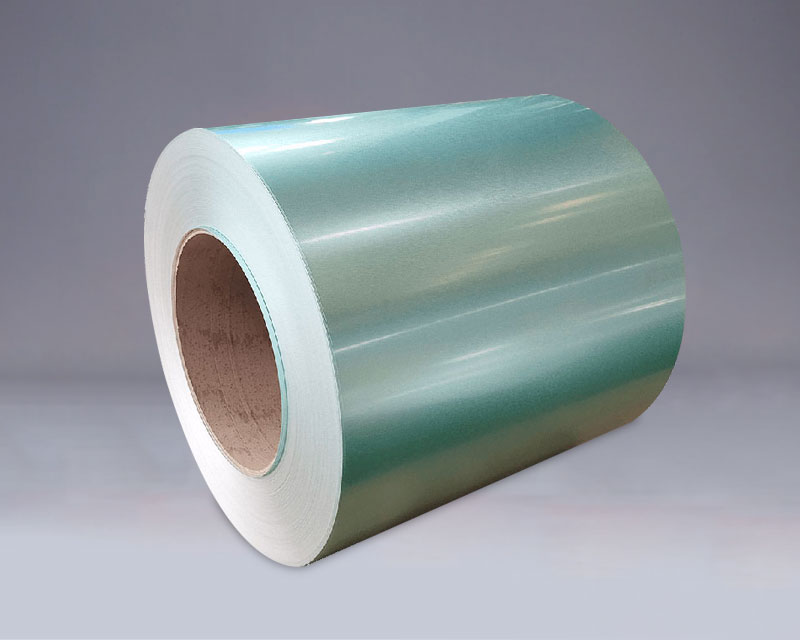
1. Understanding Galvanized Steel Coil
Galvanized steel coil is a continuous steel sheet product protected by a layer of zinc. The zinc coating provides a barrier between the underlying steel and the surrounding environment. It also offers sacrificial protection, meaning zinc can help protect exposed steel in localized areas when the coating is damaged.
The steel is supplied in a coiled form, making it suitable for continuous processing operations such as slitting, roll forming, stamping, profiling, and fabrication. This format can provide manufacturers with an efficient raw material for producing roofing sheets, wall panels, ducts, structural components, automotive parts, appliances, and many other products.
Depending on the intended use, galvanized coils may be supplied in different steel grades, thicknesses, widths, coating designations, surface finishes, and mechanical property ranges. Buyers should therefore establish their technical requirements before placing an order.
2. How the Galvanizing Process Protects Steel
One of the most widely used methods for producing galvanized steel coil is continuous hot-dip galvanizing. In this process, steel strip passes through a controlled production line where the surface is cleaned and prepared before entering a molten zinc bath.
Surface Preparation
Cleaning is critical because oil, dirt, oxides, and other contaminants can interfere with coating adhesion. Industrial galvanizing lines use controlled cleaning and surface-conditioning stages to prepare the steel for effective coating.
Zinc Application
After preparation, the steel strip passes through molten zinc. The zinc adheres to the steel surface, creating the protective coating. The coating thickness is controlled according to the required specification and production conditions.
Coating Control
Excess zinc is removed or controlled using equipment such as air knives. This allows manufacturers to achieve a more consistent coating across the strip width. Cooling and subsequent finishing stages then prepare the material for coiling.
Why Zinc Provides Protection
Zinc protects steel through both barrier protection and sacrificial action. When the surface is intact, the zinc coating separates the steel from moisture and oxygen. If a small area becomes exposed, zinc can preferentially corrode and provide a degree of protection to the surrounding steel.
The actual corrosion resistance depends on coating thickness, environment, exposure conditions, surface condition, and maintenance. Galvanized steel should therefore be selected according to the conditions in which the finished product will operate.
3. Key Benefits of Galvanized Steel Coil
Improved Corrosion Resistance
The primary reason manufacturers choose galvanized steel is its enhanced resistance to corrosion compared with uncoated carbon steel under many exposure conditions. The zinc layer provides a physical barrier and sacrificial protection that can extend the service life of steel components.
Long-Term Material Performance
When the coating and base steel are correctly specified for the environment, galvanized products can provide durable performance with relatively straightforward maintenance requirements. This can be especially valuable for building components that are difficult or expensive to replace after installation.
Efficient Continuous Processing
Coil form is well suited to automated manufacturing. Roll-forming and slitting equipment can process long lengths continuously, helping manufacturers maintain consistent production rates and dimensions.
Good Formability for Suitable Grades
Galvanized steel is available in grades designed for different forming requirements. Depending on the grade, the material can be bent, formed, stamped, or roll formed into complex profiles. The required mechanical properties should always be confirmed before fabrication.
Reduced Maintenance Burden
A durable zinc coating can reduce the frequency of corrosion-related maintenance in suitable applications. However, the expected service life should be evaluated based on the actual environment rather than assumed solely from the word "galvanized."
| Benefit | Practical Value | Best Consideration |
|---|---|---|
| Corrosion resistance | Helps protect steel from environmental exposure | Match coating requirements to the service environment |
| Continuous coil format | Supports efficient automated processing | Confirm width and thickness compatibility with machinery |
| Formability | Suitable grades can support bending and forming | Select mechanical properties according to fabrication requirements |
| Surface appearance | Provides a distinctive zinc-coated finish | Specify required surface quality and finish |
| Durability | Can support longer service life in suitable environments | Consider exposure, coating thickness, and maintenance conditions |
4. Major Industrial Applications
Galvanized steel coil is used across construction, manufacturing, transportation, infrastructure, and consumer-product industries. Its versatility comes from the ability to combine corrosion protection with the structural properties of steel.
Construction and Building Products
Construction is one of the most important application areas. Galvanized coils can be processed into roofing systems, wall panels, ceiling components, framing sections, ventilation ducts, and other building products.
Outdoor and semi-exposed components can benefit from zinc protection, particularly where humidity and weather exposure create a corrosion risk.
Automotive Components
Galvanized sheet products are widely used in automotive manufacturing and related component production because corrosion resistance is important for many body and structural applications. Specific automotive applications require carefully controlled steel grades and coating specifications.
HVAC and Ventilation Systems
Galvanized steel is commonly used for air ducts and related HVAC components. The material offers a practical combination of strength, formability, and corrosion protection for many indoor and controlled-environment applications.
Electrical Equipment and Enclosures
Electrical cabinets, control boxes, cable management components, and equipment enclosures may use galvanized steel where mechanical strength and corrosion resistance are required.
Appliances and General Fabrication
Galvanized steel can also be processed into components for appliances, storage systems, shelving, agricultural equipment, and general industrial products.
| Industry | Typical Products | Main Material Requirement |
|---|---|---|
| Construction | Roofing, wall panels, framing | Corrosion resistance and structural performance |
| Automotive | Body and formed components | Controlled mechanical properties and coating |
| HVAC | Ducts and ventilation components | Formability and corrosion resistance |
| Electrical | Cabinets and enclosures | Strength, dimensional consistency, surface protection |
| General manufacturing | Profiles, panels, fabricated parts | Processing compatibility and reliable supply |
5. Important Specifications to Consider
Technical specifications determine whether a galvanized steel coil will perform correctly in production. Purchasing teams should establish these details before requesting quotations.
Steel Grade
Steel grade determines important mechanical properties such as strength, elongation, and forming behavior. A structural component may require different properties from a deeply formed component.
Thickness
Thickness affects weight, strength, forming behavior, and final product dimensions. Buyers should specify the required thickness tolerance as well as nominal thickness where applicable.
Width
Coil width should match the downstream production equipment and finished product dimensions. Correct width can reduce trimming waste and improve material utilization.
Zinc Coating
Zinc coating is one of the most important factors affecting corrosion performance. Different projects require different coating levels. The coating designation should be specified according to the applicable standard and service conditions.
Surface Finish
Surface appearance can matter for visible building products and components that will receive additional painting or coating. Buyers should confirm whether a particular surface finish is appropriate for the intended application.
| Specification | Why It Matters |
|---|---|
| Steel grade | Determines strength and forming characteristics |
| Thickness | Influences weight, strength, and fabrication |
| Coil width | Affects production efficiency and material yield |
| Zinc coating | Influences corrosion protection |
| Surface finish | Affects appearance and subsequent processing |
| Coil weight | Must be compatible with handling and processing equipment |
6. How to Select the Right Galvanized Steel Coil
The correct coil should be selected from the finished product backward. Start with the application, determine the required performance, and then identify the material specifications that support those requirements.
Step 1: Define the End Application
Determine whether the steel will be used indoors, outdoors, in a humid environment, in an industrial facility, or in another specific setting. Environmental exposure provides an important starting point for coating selection.
Step 2: Establish Mechanical Requirements
Identify whether the product will be bent, stamped, rolled, punched, or otherwise formed. The steel grade should provide the necessary strength and ductility for the process.
Step 3: Determine Dimensions
Confirm thickness, width, coil inner diameter, outer diameter, and weight requirements when these dimensions affect the customer's processing equipment.
Step 4: Specify Coating Requirements
Select the zinc coating according to the expected environment and applicable material standard. More coating is not automatically the answer to every corrosion problem; compatibility with forming, welding, painting, cost, and the final application should also be considered.
Step 5: Confirm Applicable Standards
International and regional standards can define chemical composition, mechanical properties, dimensional tolerances, coating requirements, testing, and inspection procedures. Buyers should identify the required standard before placing an order.
Step 6: Discuss Processing Requirements With the Supplier
If the coil will undergo demanding forming, welding, painting, slitting, or roll forming, communicate these requirements to the supplier. This allows the material to be matched more accurately to the manufacturing process.
7. Quality and Surface Considerations
A galvanized coil should not be evaluated solely by visual appearance. Consistent dimensions, coating quality, mechanical properties, and surface condition are all important.
Coating Uniformity
Consistent zinc coverage helps ensure predictable corrosion protection. Buyers with strict requirements should discuss applicable coating tests and inspection procedures with the supplier.
Surface Defects
Scratches, dents, stains, edge damage, and other defects can affect downstream processing or appearance. The acceptable level of surface imperfection depends on the application and specified material standard.
Dimensional Accuracy
Thickness and width consistency are particularly important for automated processing. Variations outside the required tolerance can affect roll forming, cutting, bending, and assembly.
Documentation and Traceability
For industrial projects, documentation can be important for incoming inspection and quality management. Depending on the order, buyers may request mill certificates, inspection reports, dimensional records, or coating test information.
8. Fabrication and Processing Considerations
Galvanized steel coil can be processed using many common steel fabrication methods, but the zinc coating should be considered during production planning.
Roll Forming
Roll forming is widely used to transform coil into continuous profiles. Proper tooling, material grade, thickness, and forming parameters help reduce unnecessary surface damage.
Cutting and Slitting
Coils can be slit into narrower widths or cut into sheets according to production requirements. Edge quality should be considered where the finished product requires precise dimensions.
Bending and Stamping
The appropriate galvanized steel grade can support bending and stamping operations. However, forming radius, tooling condition, coating characteristics, and steel ductility should be considered together.
Welding
Welding galvanized steel requires appropriate process controls because zinc coating can affect welding behavior and generate zinc-containing fumes. Adequate ventilation, suitable welding procedures, and proper worker protection are essential.
Fabricators should follow applicable workplace safety requirements and welding procedures rather than treating galvanized steel as identical to uncoated steel during processing.
9. Storage, Handling, and Transportation
Even high-quality galvanized steel can develop problems if it is stored or handled incorrectly. Proper warehouse conditions help preserve the condition of the zinc-coated surface.
- Store coils in a clean and dry environment whenever practical.
- Protect material from prolonged exposure to rain and standing water.
- Avoid direct contact with corrosive chemicals or contaminated surfaces.
- Use appropriate lifting equipment for the coil's weight and dimensions.
- Prevent unnecessary impact during loading and unloading.
- Maintain identification and traceability throughout storage.
- Follow supplier recommendations for packaging and transportation.
Particular attention should be paid to moisture trapped between closely contacting galvanized surfaces. Under certain conditions, this can contribute to storage-related staining. Good ventilation, dry storage, and appropriate packaging practices help reduce this risk.
10. Common Purchasing Problems and Practical Solutions
Problem: Selecting Only by Price
The lowest quoted price may not represent the lowest total cost. An unsuitable grade, coating, tolerance, or surface condition can cause production problems and material waste.
A better approach is to compare complete specifications, quality requirements, delivery capability, and expected processing performance.
Problem: Incorrect Coating Selection
If the zinc coating is not suitable for the service environment, corrosion protection may not meet expectations. Buyers should explain where and how the finished product will be used so the coating requirement can be evaluated properly.
Problem: Coil Dimensions Do Not Match Equipment
Incorrect width, weight, or coil dimensions can cause handling difficulties or production interruptions. Confirm equipment limits before ordering.
Problem: Material Is Difficult to Form
If the selected steel grade does not match the forming process, cracking, deformation, or dimensional problems may occur. The intended forming method should be communicated before material selection.
Problem: Inconsistent Quality Between Batches
For large-volume manufacturing, consistency is essential. Buyers should establish clear specifications, inspection requirements, packaging expectations, and documentation procedures with the supplier.
11. Frequently Asked Questions
What is galvanized steel coil used for?
Galvanized steel coil is used for roofing, wall panels, HVAC ducts, automotive components, electrical enclosures, structural profiles, appliances, and many other fabricated steel products where corrosion resistance and steel strength are required.
How does zinc protect steel from corrosion?
Zinc provides a physical barrier between the steel and the environment. It can also provide sacrificial protection to exposed areas because zinc tends to corrode preferentially to the underlying steel.
How do I choose the right zinc coating for galvanized steel coil?
Consider the exposure environment, expected service conditions, forming requirements, applicable material standard, and project durability expectations. The appropriate coating should be confirmed against the relevant specification rather than selected only by nominal coating weight.
Can galvanized steel coil be formed?
Yes. Galvanized steel is available in grades suitable for different forming operations. The specific grade should be matched to the required bending, stamping, or roll-forming process.
Can galvanized steel coil be welded?
Yes, but welding procedures need to account for the zinc coating. Appropriate ventilation, welding controls, and worker protection are important because heating galvanized coatings can produce hazardous fumes.
What information should I provide when ordering galvanized steel coil?
Important information normally includes steel grade, thickness, width, zinc coating requirement, surface finish, applicable standard, coil dimensions, quantity, end application, and downstream processing requirements.
How should galvanized steel coils be stored?
Store coils in a clean, dry, well-managed environment and protect them from prolonged moisture exposure. Proper handling and packaging can help preserve the zinc-coated surface and reduce storage-related damage.
Is galvanized steel suitable for outdoor applications?
Galvanized steel is commonly used outdoors, but suitability depends on the environmental exposure and the selected coating. Coastal, industrial, highly humid, or chemically aggressive environments may require additional evaluation.
Why is coil width important when purchasing galvanized steel?
Coil width must be compatible with downstream machinery and finished product dimensions. Correct width can reduce trimming waste and improve production efficiency.
Why should I work with an experienced galvanized steel supplier?
An experienced supplier can help coordinate steel grade, coating, dimensions, surface requirements, production specifications, inspection documentation, and packaging so the material better matches the customer's manufacturing process.
12. Final Considerations for Galvanized Steel Coil Purchasing
Galvanized steel coil provides an effective combination of steel strength, processing flexibility, and zinc-based corrosion protection. Its wide range of applications makes it a valuable material for construction, manufacturing, HVAC, automotive, electrical, and general industrial products.
However, good results depend on selecting the material according to the actual application. Steel grade, thickness, width, zinc coating, surface quality, forming requirements, environmental exposure, and production equipment should all be considered before ordering.
A reliable supply relationship is equally important. Clear specifications and communication can reduce material mismatches, production interruptions, unnecessary waste, and quality disputes. For manufacturers purchasing galvanized steel in volume, technical consistency and dependable delivery can be just as important as the initial material price.
Fujian Yintu Industrial Co., Ltd. provides galvanized steel coil solutions for customers requiring dependable steel materials for different industrial and construction applications. By discussing the actual application and required specifications in advance, buyers can work toward a material solution that balances performance, processing requirements, and project cost.
Looking for a Reliable Galvanized Steel Coil Supplier?
Choosing the right galvanized steel coil starts with accurate specifications and a clear understanding of the final application. Fujian Yintu Industrial Co., Ltd. can support customers with galvanized steel material requirements involving different dimensions, coating specifications, grades, and application needs.
If you are sourcing galvanized steel coil for construction, manufacturing, HVAC, automotive components, electrical equipment, or another industrial application, share your required grade, thickness, width, coating, quantity, and intended use with the supplier for a more accurate product recommendation.
Visit the Fujian Yintu Industrial Co., Ltd. company page to learn more about the company and its steel product capabilities.
Ready to discuss your galvanized steel requirements? Contact us today to request product information and discuss a galvanized steel coil solution suited to your project.
Learn More About Fujian Yintu Industrial Co., Ltd.Technical note: Steel grades, coating designations, dimensional tolerances, mechanical properties, testing requirements, and applicable standards vary by product and market. Always confirm the exact specification, technical documentation, and application suitability with the supplier before production or installation.
