

How Does Thermoforming Film Improve Packaging Performance and Product Protection?
2026-07-07
In modern manufacturing and packaging industries, material selection directly affects product safety, shelf life, appearance, and production efficiency. Thermoforming Film has become an essential solution for industries that require strong protection, flexible design, and high-performance packaging. From food packaging and medical products to electronics and industrial components, thermoforming films provide excellent forming ability, durability, and visual appeal. As market demands continue to grow for lightweight and sustainable packaging, choosing the right thermoforming film has become a key factor for manufacturers seeking efficiency and competitive advantages.
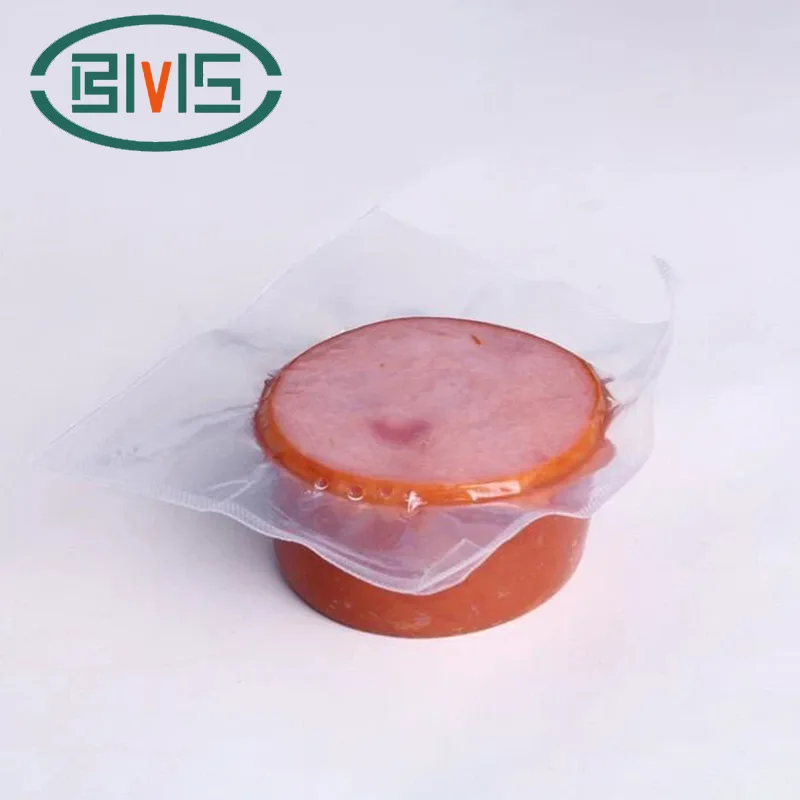
What Is Thermoforming Film?
Thermoforming Film is a specialized plastic film material that can be heated, softened, and shaped into specific forms through a thermoforming process. During production, the film is heated to a suitable temperature and then molded using vacuum, pressure, or mechanical force to create customized packaging structures.
Unlike traditional packaging materials, thermoforming film offers excellent flexibility and can adapt to products with different shapes and sizes. It is widely used for trays, containers, lids, blister packs, and protective packaging solutions.
Common materials used for thermoforming film include:
| Material Type | Main Features | Typical Applications |
|---|---|---|
| PET Film | High transparency, strong strength, good chemical resistance | Food trays, medical packaging, electronic packaging |
| PVC Film | Excellent flexibility and easy forming | Blister packaging, consumer products |
| PP Film | Good heat resistance and chemical stability | Food containers, reusable packaging |
| PE Film | High toughness and impact resistance | Industrial packaging and protective films |
| Multi-layer Film | Enhanced barrier performance and durability | Premium food and pharmaceutical packaging |
Why Is Thermoforming Film Important for Modern Packaging?
Packaging requirements have changed significantly in recent years. Manufacturers need materials that not only protect products but also reduce costs, improve production efficiency, and meet environmental expectations.
Thermoforming Film provides several important advantages:
1. Excellent Product Protection
One of the biggest benefits of thermoforming film is its ability to create customized protective structures. The molded packaging fits the product precisely, reducing movement, impact damage, and contamination risks during transportation.
For industries such as medical devices and food production, maintaining product integrity is critical. High-quality thermoforming films help prevent moisture, oxygen, dust, and external damage from affecting product quality.
2. Flexible Design Possibilities
Different products require different packaging shapes. Thermoforming film allows manufacturers to create unique designs based on product dimensions and usage requirements.
Advantages include:
- Customized shapes and sizes
- Improved product presentation
- Better space utilization
- Easy integration with automated packaging lines
This flexibility makes thermoforming film suitable for both mass production and specialized packaging applications.
3. Improved Production Efficiency
Thermoforming technology enables fast and automated manufacturing processes. Compared with traditional packaging methods, thermoforming film can reduce material waste and shorten production cycles.
Manufacturers can benefit from:
- Faster molding speed
- Lower labor costs
- Stable production quality
- Reduced packaging material consumption
For companies looking to improve operational efficiency, thermoforming film provides a practical and reliable solution.
Thermoforming Film vs Traditional Packaging Materials
Choosing the right packaging material requires understanding performance differences. The following comparison highlights why thermoforming film has become increasingly popular.
| Feature | Thermoforming Film | Traditional Packaging Materials |
|---|---|---|
| Shape Customization | Excellent | Limited |
| Production Efficiency | High | Medium |
| Material Usage | Optimized | Often higher |
| Product Visibility | Excellent with transparent films | Depends on material |
| Automation Compatibility | Strong | Moderate |
| Protection Performance | High | Varies |
Thermoforming film offers a balance between functionality, appearance, and manufacturing efficiency, making it a preferred choice for many industries.
What Are the Main Applications of Thermoforming Film?
Due to its excellent performance, thermoforming film is widely used in multiple sectors.
Food Packaging Industry
Food manufacturers use thermoforming film for packaging fresh food, meat, seafood, dairy products, and ready-to-eat meals. The film helps maintain freshness while providing attractive product displays.
Key benefits include:
- Strong sealing performance
- Moisture and oxygen barrier options
- Extended shelf life
- Transparent product visibility
Medical and Healthcare Packaging
Medical packaging requires strict hygiene and safety standards. Thermoforming film is commonly used for medical trays, surgical instrument packaging, and disposable healthcare products.
Important requirements include:
- Clean and secure packaging
- High durability
- Sterilization compatibility
- Protection against contamination
Electronics and Industrial Products
Sensitive electronic components and industrial parts often require protective packaging. Thermoforming film helps prevent scratches, dust exposure, and transportation damage.
Applications include:
- Electronic component trays
- Precision equipment packaging
- Protective covers
- Industrial storage solutions
How to Select the Right Thermoforming Film?
Selecting the correct thermoforming film depends on product requirements, production conditions, and final application.
Manufacturers should consider the following factors:
1. Material Performance
Different materials provide different characteristics. For example, PET offers excellent transparency and strength, while PE provides better flexibility and impact resistance.
2. Thickness Requirements
Film thickness affects:
- Strength
- Forming performance
- Protection level
- Material cost
Choosing the appropriate thickness ensures the best balance between performance and economy.
3. Barrier Properties
For products sensitive to moisture, oxygen, or contamination, high-barrier thermoforming film is essential.
4. Processing Compatibility
The film should match the customer's thermoforming equipment and production requirements to achieve stable manufacturing results.
The Advantages of Choosing Zhejiang Bimashi New Material Technology Co., Ltd
As a professional manufacturer in the new material industry, Zhejiang Bimashi New Material Technology Co., Ltd focuses on providing reliable and high-quality material solutions for different application fields.
The company understands that every customer has unique packaging requirements. By combining advanced production technology, strict quality control, and professional service, Zhejiang Bimashi New Material Technology Co., Ltd provides thermoforming film solutions designed for performance, efficiency, and reliability.
Main advantages include:
- High-quality raw materials
- Stable film performance
- Customized specifications available
- Professional technical support
- Solutions suitable for various industries
Whether customers require food packaging films, medical packaging materials, or industrial protective films, Zhejiang Bimashi New Material Technology Co., Ltd can provide suitable solutions according to specific needs.
Future Development Trends of Thermoforming Film
With increasing demand for sustainable and efficient packaging, the thermoforming film industry continues to develop.
Future trends include:
Sustainable Materials
More manufacturers are exploring recyclable and environmentally friendly film solutions to reduce environmental impact.
Improved Barrier Technology
Advanced multi-layer structures will provide better protection while maintaining lightweight designs.
Smart Packaging Integration
Thermoforming films may increasingly combine with smart labels, tracking technologies, and intelligent packaging systems to improve product management.
Customized Manufacturing
As customers require more personalized packaging solutions, flexible production capabilities will become increasingly important.
Frequently Asked Questions About Thermoforming Film
1. What industries use thermoforming film?
Thermoforming film is widely used in food packaging, medical products, electronics, industrial components, and consumer goods because of its flexibility, durability, and protective performance.
2. Can thermoforming film be customized?
Yes. Thermoforming film can be customized in terms of thickness, material structure, color, transparency, barrier properties, and dimensions to meet different application requirements.
3. Is thermoforming film environmentally friendly?
Many modern thermoforming films are designed with recyclable materials and optimized structures to reduce material consumption and environmental impact.
4. Why choose professional thermoforming film suppliers?
Professional suppliers can provide consistent quality, customized solutions, technical support, and reliable production capacity to ensure stable packaging performance.
Conclusion
Thermoforming Film has become an important material solution for modern packaging because of its excellent forming ability, protection performance, design flexibility, and production efficiency. From food and healthcare applications to industrial packaging, thermoforming film helps businesses improve product safety, reduce costs, and enhance market competitiveness.
With advanced manufacturing capabilities and professional service, Zhejiang Bimashi New Material Technology Co., Ltd is committed to delivering high-performance thermoforming film solutions that meet diverse customer requirements. If you are looking for reliable thermoforming film with customized options and consistent quality, contact us today to discuss your project needs and find the most suitable material solution for your application.
