

How Does Valve Mouth Paper Bag Safeguard Product Quality During Storage?
2026-10-15
A Valve Mouth Paper Bag helps safeguard product quality during storage by combining a controlled filling opening, a suitable paper structure, and packaging materials selected for the contents and storage environment. For dry bulk products such as cement, mortar, mineral powders, starch, and other powdered materials, packaging must do more than hold the required weight. It must limit product leakage, reduce exposure to external contaminants, maintain package integrity during stacking, and help preserve the contents until use. At Wenzhou Chenxing Packaging Co., Ltd., we consider the relationship between paper strength, moisture protection, valve construction, and storage conditions when evaluating packaging requirements. The right specification can reduce handling losses and support consistent product quality throughout warehousing, transport, and distribution.
How Does Packaging Design Help Preserve Product Quality?
Industrial powders are vulnerable to several storage-related problems. Moisture can cause hygroscopic materials to absorb water, while unsuitable packaging can allow dust to escape through seams or openings. Rough handling may damage bag corners, and excessive stacking loads can deform lower packages. These issues can affect product appearance, flowability, dosing accuracy, and the cleanliness of the warehouse.
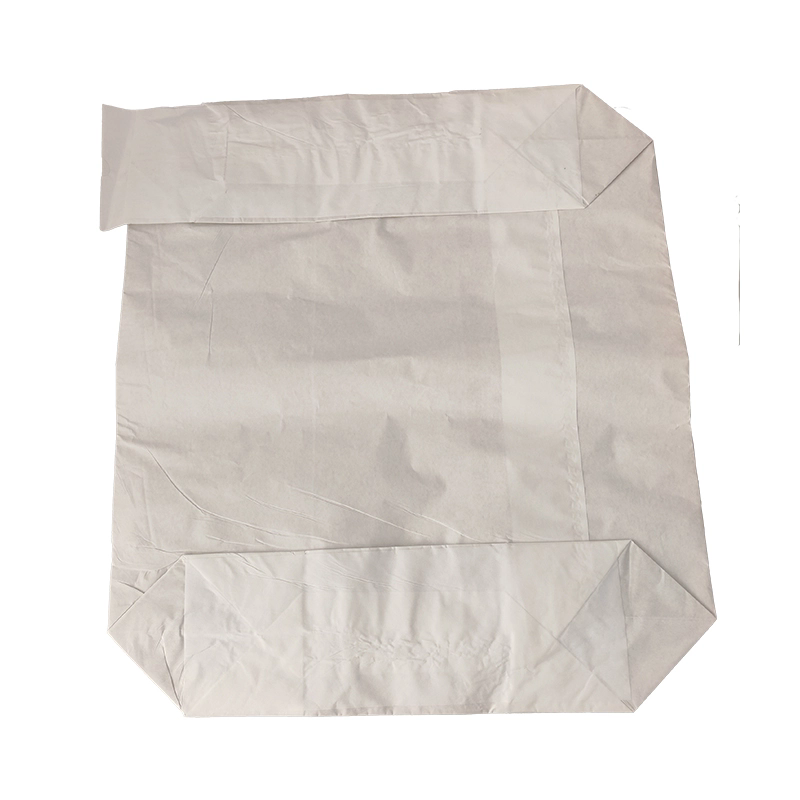
A valve bag is filled through a dedicated sleeve or opening, commonly positioned at a corner or end of the package. Once filling is complete, the valve may close through the pressure of the packed material, depending on the design. Some constructions also use an additional closure or sealing process. This arrangement helps contain the contents without requiring a large open top, making it suitable for automated filling lines and high-volume packaging operations.
The paper body provides structural support, while the number of plies, paper grade, and optional functional layers determine how the package responds to handling and environmental exposure. A well-designed bag distributes filling and stacking stresses across the body rather than concentrating them at vulnerable points.
Our packaging specifications are developed around the product's physical properties and intended storage conditions. Fine powders may require particular attention to dust leakage and valve construction, whereas heavier granular materials may place greater demands on puncture resistance and load-bearing performance. Products that absorb moisture also need a more careful assessment of the paper's barrier properties and the warehouse environment.
Which Material Parameters Matter Most During Storage?
Paper selection is a balance between mechanical strength, filling performance, moisture management, and packaging cost. Kraft paper is commonly used for industrial bags because it offers useful tensile strength and can be converted into multi-ply structures. However, paper performance varies by basis weight, fibre composition, manufacturing quality, and moisture content. A material specification should therefore be based on measured properties rather than the paper name alone.
The following table outlines the principal parameters buyers should confirm when specifying a bag for industrial storage. The ranges shown are illustrative engineering reference points, not confirmed standard specifications for every product manufactured by Wenzhou Chenxing Packaging Co., Ltd. Final values should be agreed according to the product drawing, test method, and intended application.
| Parameter | Typical specification considerations | Importance during storage |
| Paper basis weight | Often around 60 to 100 g/m2 per ply, depending on the paper grade and design | Influences the balance of strength, flexibility, and total package weight |
| Number of paper plies | Commonly two to four plies for many industrial applications | Provides structural support and can improve resistance to handling damage |
| Bag dimensions | Width, length, and gusset dimensions specified in millimetres | Influence filling compatibility, pallet arrangement, and stacking stability |
| Filling capacity | Determined by product bulk density, bag dimensions, and filling equipment | Helps prevent overfilling, deformation, and excessive stress on seams |
| Moisture barrier | Uncoated paper, coated paper, or a suitable PE liner depending on requirements | Helps manage moisture ingress when the construction is appropriate |
| Seam and valve strength | Verified against filling pressure, package weight, and handling conditions | Reduces the risk of leakage and opening failure |
| Surface treatment | Selected according to print requirements, dust control, and moisture exposure | Can support identification, handling, and selected protective functions |
These parameters should be reviewed as a complete system. Increasing paper basis weight alone does not guarantee a stronger finished bag because fibre quality, ply bonding, seam construction, and converting accuracy also matter. Likewise, adding a barrier layer may improve moisture protection but can affect recyclability, material cost, and the bag's behaviour during filling.
Our factory evaluates the intended filling weight and the product's bulk density before confirming dimensions and construction. Bulk density determines how much space a given mass occupies, so two products packed at the same nominal weight may require different bag dimensions. Particle size and shape also matter because sharp or abrasive particles can create local stress and damage the inner surface.
How Do Moisture Barriers and Valve Construction Protect Stored Contents?
Moisture management is one of the most important factors in protecting dry powders during storage. Cement, gypsum-based materials, some mineral blends, and other moisture-sensitive products may develop lumps or undergo changes in handling properties when exposed to excess humidity. For certain products, moisture can also affect chemical reactivity or performance during subsequent processing.
Uncoated kraft paper can provide a practical packaging structure, but it is not inherently a waterproof barrier. Where moisture sensitivity is high, a coated paper layer or a compatible polyethylene liner may help reduce moisture transmission. The effectiveness of the complete package depends on the barrier material, thickness, seams, valve design, and whether the finished bag has been tested under conditions relevant to the intended application.
A moisture-resistant construction should not be described as completely waterproof unless the finished package has been designed and validated for that purpose. Water vapour can enter through materials and weak points, and direct contact with standing water or rain can damage paper packaging even when selected layers provide additional protection.
The valve opening also needs attention. A self-closing valve can reduce product loss after filling, but it should not automatically be treated as a hermetic seal. Fine powders may escape if the valve geometry is unsuitable, filling conditions are poorly controlled, or the material has a very low particle size. Where stronger closure performance is required, buyers should discuss valve configuration, optional sealing methods, and the appropriate leakage tests with the supplier.
At Wenzhou Chenxing Packaging Co., Ltd., the packaging design should reflect the actual risk rather than assume that every paper bag needs the same barrier structure. For a dry product stored in a controlled warehouse, a conventional multi-ply paper construction may be sufficient. For a moisture-sensitive powder transported through humid climates or stored for extended periods, a more protective construction may be justified after evaluating barrier performance and total cost.
Storage practices remain essential even with upgraded packaging. Bags should be kept on clean, dry pallets, separated from damp floors and walls, and protected from rain and condensation. Warehouse ventilation and temperature changes should be managed to reduce condensation risk. Packaging is one part of a storage protection system, not a replacement for suitable warehouse conditions.
What Testing and Warehouse Practices Help Maintain Bag Integrity?
Packaging performance should be assessed through practical tests that reflect filling, handling, and storage conditions. A bag that performs well during an initial filling trial may still be vulnerable to prolonged stacking pressure, repeated movement, or moisture exposure. A representative validation process helps identify these risks before large production volumes are packed.
Buyers should consider the following quality checks when approving an industrial paper bag specification.
- Dimensional inspection: Verify the bag width, length, gusset, and valve dimensions against the approved drawing.
- Paper and ply verification: Confirm the specified paper grade, basis weight, ply count, and any barrier layer or liner.
- Seam integrity: Examine glued or otherwise joined areas for inconsistent bonding, gaps, and visible defects.
- Filling trials: Test the bag on the intended filling equipment using the actual product or a representative material.
- Drop and handling tests: Where appropriate, assess package integrity after representative handling impacts and movement.
- Stacking evaluation: Check deformation and stability under the expected pallet configuration and storage load.
- Moisture performance: For moisture-sensitive contents, specify suitable water-vapour transmission or package-level testing rather than relying on general material descriptions.
- Leakage assessment: Examine valve and seam performance, especially when packaging fine powders that can escape through small openings.
Test methods should be selected according to the product and applicable customer or industry standards. Results from different methods may not be directly comparable, so acceptance limits and conditioning requirements should be documented before testing begins.
Warehouse management also contributes to consistent product quality. Pallets should be level, stack heights should remain within validated limits, and bags should not overhang pallet edges where they may be damaged by forklifts or adjacent loads. First-in, first-out stock rotation can help control storage duration, while periodic inspections can identify wet packaging, damaged corners, or early signs of powder leakage.
Our quality planning takes account of the entire packaging lifecycle, from filling and palletising to warehouse storage and final delivery. When customers report a storage issue, useful information includes the product type, nominal filling weight, storage duration, relative humidity where known, pallet pattern, and photographs of any damage. These details help distinguish a material barrier problem from overfilling, handling damage, or unsuitable warehouse conditions.
Frequently Asked Questions About Valve Bag Storage Protection
How Does Valve Mouth Paper Bag Safeguard Product Quality During Storage?
It helps protect stored products through a combination of multi-ply paper strength, suitable valve construction, and optional moisture-resistant layers. The paper structure supports the package during handling and stacking, while a properly designed valve reduces product leakage after filling. For moisture-sensitive powders, a compatible coating or liner can help limit moisture transmission when validated for the application. Actual protection depends on material selection, seam integrity, storage humidity, package closure, and warehouse practices.
Can a valve paper bag prevent cement and other powders from hardening during long-term storage?
No paper bag can guarantee that a moisture-sensitive product will never harden or form lumps. A suitable barrier construction can reduce moisture exposure, but performance depends on the bag materials, valve closure, storage duration, and surrounding conditions. Cement and similar products should be kept in a dry warehouse, elevated on pallets, protected from rain, and stored according to the product manufacturer's shelf-life guidance. For extended storage or humid distribution routes, buyers should validate package-level moisture performance before selecting the final specification.
Which packaging specifications should buyers confirm to reduce leakage and storage damage?
Confirm the nominal filling weight, bag dimensions, paper basis weight, ply count, valve design, seam construction, and required moisture barrier. Also agree on dimensional tolerances, filling-line compatibility, stacking conditions, and appropriate tests for leakage, handling strength, and moisture transmission. These details help the supplier match the package to the product's bulk density, particle characteristics, and storage environment. A production sample tested under representative conditions is more reliable than choosing a bag solely by its appearance or paper thickness.
How Can the Right Paper Bag Specification Support Product Quality?
Reliable storage protection starts with matching the packaging construction to the product's physical properties and environmental exposure. Paper grade, ply count, bag dimensions, valve design, and moisture barriers each contribute to performance, but no single parameter can guarantee safe storage on its own. Filling controls, pallet stability, warehouse conditions, and suitable inspection procedures are equally important.
Wenzhou Chenxing Packaging Co., Ltd. can assess your packaging requirements using the intended product, filling weight, storage duration, moisture sensitivity, and handling conditions as the basis for specification development. Contact our team with your required bag dimensions, construction preferences, and application details to discuss a suitable paper bag solution for your industrial packaging needs.
