

How to Choose the Right Medium Voltage Switchgear for Safe and Reliable Power Distribution?
2026-06-09
Abstract
Medium Voltage Switchgear plays a critical role in modern electrical distribution systems by providing protection, control, isolation, and monitoring of medium-voltage circuits. Selecting the right switchgear solution directly impacts operational safety, equipment reliability, maintenance costs, and long-term system performance. This guide explains how Medium Voltage Switchgear works, its main types, selection criteria, common challenges, and practical solutions to help industrial facilities, utilities, commercial buildings, and infrastructure projects make informed decisions.
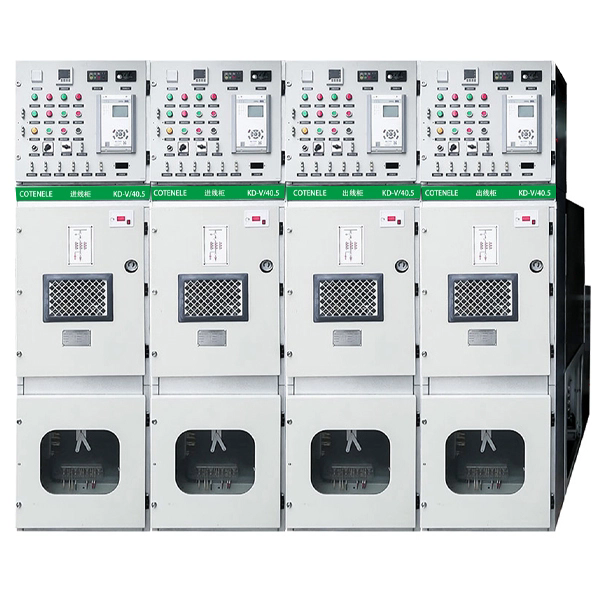
Table of Contents
- What Is Medium Voltage Switchgear?
- Why Is Medium Voltage Switchgear Important?
- Key Components of Medium Voltage Switchgear
- Types of Medium Voltage Switchgear
- Common Customer Pain Points
- How to Choose the Right Medium Voltage Switchgear
- Switchgear Comparison Table
- Typical Applications
- Maintenance Best Practices
- Future Trends in Medium Voltage Switchgear
- FAQ
- Conclusion
What Is Medium Voltage Switchgear?
Medium Voltage Switchgear refers to electrical equipment designed to control, protect, isolate, and manage electrical systems operating typically between 1kV and 36kV. It serves as a critical interface between power sources and electrical loads, ensuring safe power transmission and distribution.
The primary function of switchgear is to detect abnormal electrical conditions such as short circuits, overloads, and equipment failures. When faults occur, the switchgear automatically disconnects affected circuits, preventing damage to transformers, motors, cables, and other valuable assets.
In industrial plants, utility substations, renewable energy facilities, mining operations, data centers, airports, and commercial complexes, Medium Voltage Switchgear provides the foundation for reliable electrical operation.
Why Is Medium Voltage Switchgear Important?
Electrical failures can lead to costly downtime, equipment damage, safety incidents, and production losses. Medium Voltage Switchgear minimizes these risks through advanced protection and control functions.
Main Benefits Include:
- Enhanced personnel safety
- Fast fault isolation
- Improved power reliability
- Reduced downtime
- Efficient system management
- Scalable power distribution architecture
- Long service life and operational stability
For organizations operating mission-critical facilities, selecting high-quality switchgear is not simply a technical decision—it is a business continuity strategy.
Key Components of Medium Voltage Switchgear
Understanding the major components helps buyers evaluate equipment specifications more effectively.
| Component | Function |
|---|---|
| Circuit Breaker | Interrupts fault currents and protects electrical equipment. |
| Busbar System | Transfers electrical power between circuits. |
| Protection Relays | Detect abnormal operating conditions. |
| Current Transformers (CTs) | Provide current measurement and protection signals. |
| Voltage Transformers (VTs) | Supply voltage monitoring information. |
| Disconnect Switches | Provide visible isolation for maintenance. |
| Control Panels | Enable operation, monitoring, and communication. |
Each component contributes to system safety and operational efficiency, making equipment quality and engineering design extremely important.
Types of Medium Voltage Switchgear
Different environments and operational requirements call for different switchgear technologies.
Air-Insulated Switchgear (AIS)
AIS uses ambient air as the primary insulation medium. It is widely adopted due to its straightforward design and lower initial investment.
Advantages:
- Cost-effective installation
- Easy maintenance access
- Simple construction
Limitations:
- Requires larger installation space
- Environmental conditions may affect performance
Gas-Insulated Switchgear (GIS)
GIS utilizes insulating gas within sealed compartments, significantly reducing equipment footprint.
Advantages:
- Compact design
- High reliability
- Suitable for harsh environments
Limitations:
- Higher initial investment
- More specialized maintenance requirements
Metal-Clad Switchgear
Metal-clad designs feature grounded metal barriers separating major components, improving safety and fault containment.
Advantages:
- Excellent personnel protection
- High fault resistance
- Modular configuration options
Common Customer Pain Points
Many buyers encounter challenges during switchgear procurement and operation.
| Challenge | Impact | Solution |
|---|---|---|
| Frequent outages | Production interruptions | Upgrade protection systems and breaker technology |
| Limited installation space | Difficult project implementation | Choose compact switchgear solutions |
| High maintenance costs | Increased operating expenses | Select low-maintenance designs |
| Safety concerns | Personnel risk | Use arc-resistant switchgear systems |
| System expansion needs | Future compatibility issues | Choose modular and scalable equipment |
Recognizing these issues early can significantly improve project outcomes and return on investment.
How to Choose the Right Medium Voltage Switchgear
The selection process should be based on both current operational requirements and future expansion plans.
1. Determine System Voltage
Verify the nominal voltage rating of the electrical network and ensure the switchgear is appropriately matched.
2. Evaluate Short-Circuit Capacity
The switchgear must withstand and interrupt the maximum fault current expected within the system.
3. Assess Installation Environment
Environmental conditions such as humidity, dust, temperature fluctuations, corrosive atmospheres, and seismic activity should influence equipment selection.
4. Prioritize Safety Features
Modern facilities increasingly demand:
- Arc-resistant construction
- Remote operation capability
- Interlocking mechanisms
- Advanced protection relays
- Real-time monitoring systems
5. Consider Maintenance Requirements
Low-maintenance switchgear reduces lifecycle costs and minimizes service interruptions.
6. Plan for Future Growth
Electrical demand often increases over time. Selecting expandable switchgear can prevent costly upgrades later.
Manufacturers such as Cotenele provide customized Medium Voltage Switchgear solutions designed to meet diverse industrial and utility requirements while balancing reliability, safety, and operational efficiency.
Switchgear Comparison Table
| Feature | AIS | GIS | Metal-Clad |
|---|---|---|---|
| Installation Space | Large | Small | Medium |
| Initial Cost | Lower | Higher | Medium |
| Reliability | High | Very High | Very High |
| Maintenance | Moderate | Low | Moderate |
| Safety Level | High | Very High | Very High |
| Application Flexibility | Good | Excellent | Excellent |
Typical Applications of Medium Voltage Switchgear
- Utility substations
- Manufacturing plants
- Mining operations
- Oil and gas facilities
- Renewable energy projects
- Data centers
- Commercial complexes
- Transportation infrastructure
- Hospitals and healthcare facilities
- Water treatment plants
As electrical systems become increasingly complex, dependable switchgear becomes essential for uninterrupted operations.
Maintenance Best Practices
Proper maintenance maximizes equipment lifespan and reduces unexpected failures.
- Perform routine visual inspections.
- Conduct thermal imaging inspections.
- Test protective relays regularly.
- Inspect insulation integrity.
- Monitor breaker operating cycles.
- Clean internal compartments periodically.
- Review communication and monitoring systems.
- Maintain accurate service records.
A proactive maintenance program can significantly lower lifecycle ownership costs.
Future Trends in Medium Voltage Switchgear
The industry continues to evolve with advanced technologies that improve operational intelligence and sustainability.
- Digital monitoring and diagnostics
- Remote asset management
- Predictive maintenance analytics
- Smart grid integration
- Enhanced arc-flash protection
- Compact modular architectures
- Environmentally responsible insulation technologies
Organizations investing in modern switchgear solutions today will be better positioned to adapt to future power system requirements.
Frequently Asked Questions
Q1: What voltage range is considered medium voltage?
Medium voltage generally refers to electrical systems operating between 1kV and 36kV, although classifications may vary by region and industry standards.
Q2: How long does Medium Voltage Switchgear typically last?
With proper maintenance, many systems operate reliably for 20 to 40 years or longer.
Q3: Which type of switchgear is best for limited spaces?
Gas-Insulated Switchgear is often preferred when installation space is restricted.
Q4: Why is arc-resistant switchgear important?
Arc-resistant designs help protect personnel and equipment by directing arc energy away from operators during fault events.
Q5: Can switchgear support future system expansion?
Yes. Many modern switchgear systems feature modular designs that allow additional feeders and equipment to be integrated as power demands grow.
Conclusion
Choosing the right Medium Voltage Switchgear is essential for ensuring electrical safety, operational reliability, and long-term cost efficiency. Factors such as voltage rating, fault capacity, environmental conditions, maintenance requirements, safety performance, and future scalability should all be carefully evaluated during the selection process.
Whether for utility networks, industrial facilities, renewable energy projects, or commercial infrastructure, a well-designed Medium Voltage Switchgear solution can significantly improve power system performance while minimizing operational risks.
Cotenele is committed to delivering dependable Medium Voltage Switchgear solutions tailored to modern power distribution challenges. If you are planning a new project, upgrading existing equipment, or seeking expert guidance for your electrical infrastructure, contact us today to discuss your requirements and discover how our professional team can help you achieve safer, smarter, and more reliable power distribution.
