

How to Select Eco-Friendly Packaging Rolls Without Sacrificing Durability?
2025-12-15
Choosing packaging materials that meet both environmental and operational requirements has become essential for businesses aiming to reduce waste without compromising protection. At our factory, we focus on developing packaging roll solutions that integrate recyclability, biodegradability, and mechanical strength. Customers increasingly ask us how to maintain product integrity while transitioning to eco-friendly materials. Our team works closely with engineers and end users to provide guidance that ensures both sustainability and durability in packaging operations.
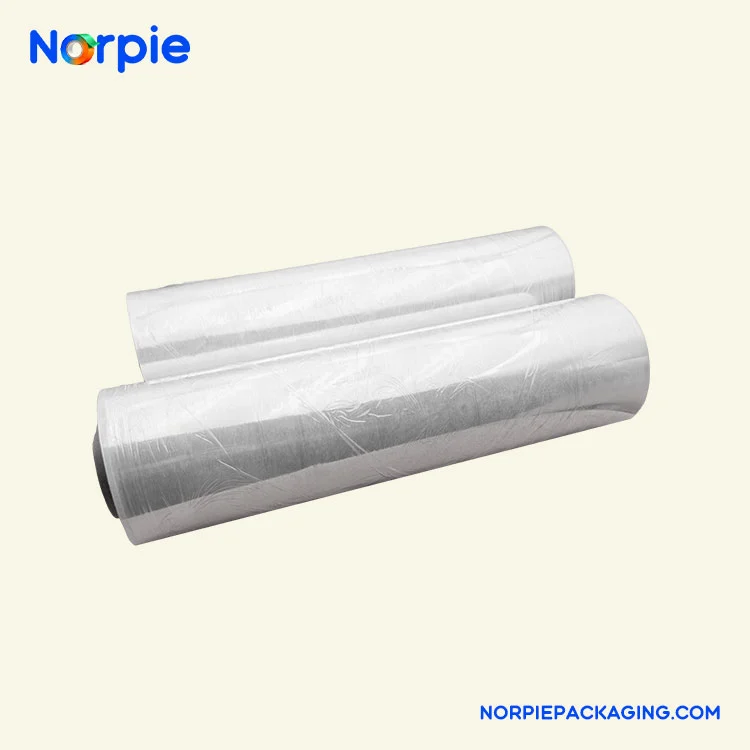
What Material Options Ensure Eco-Friendliness Without Losing Durability?
Material composition is the foundation of a high-performing eco-friendly Packaging Roll. Options such as kraft paper, recycled polyethylene, PLA films, and compostable laminates each offer distinct characteristics. In our experience at Qingdao Norpie Packaging Co., Ltd, we select materials based on tensile strength, puncture resistance, and environmental impact. By analyzing these factors, our factory ensures that Packaging Roll products meet industry standards while remaining compliant with environmental regulations.
Kraft paper provides excellent biodegradability and recyclability but may require reinforcement for high-load applications. PLA films combine compostability with flexibility, while recycled polyethylene offers a balance of toughness and eco-friendliness. Our engineers assess the end-use conditions, including storage, transportation, and handling, to recommend the most suitable material for each Packaging Roll.
How Do Thickness and Density Influence Eco-Friendly Packaging Performance?
The thickness and density of a Packaging Roll significantly affect its mechanical strength and protection capabilities. Too thin a layer compromises durability, while excessively dense materials increase costs and reduce eco-friendliness. Our factory carefully calibrates thickness and density to maintain optimum performance. Customers selecting eco-friendly rolls for shipping or storage benefit from a product that can withstand stress while minimizing material usage.
Below is a reference table showing typical thickness and density ranges for various eco-friendly materials and their application suitability. This helps users quickly evaluate which Packaging Roll matches their operational requirements.
| Material Type | Thickness (microns) | Density (g/cm³) | Recommended Application |
| Kraft Paper | 80–120 | 0.7–0.9 | Light to medium weight shipping, wrapping |
| PLA Film | 50–100 | 0.9–1.2 | Food packaging, compostable applications |
| Recycled Polyethylene | 60–150 | 0.92–0.96 | Industrial shipping, protective wrapping |
Which Surface Treatments Improve Eco-Friendly Packaging Roll Durability?
Surface treatment is key to enhancing the performance of eco-friendly Packaging Roll without compromising recyclability. Coatings, laminations, and embossing techniques improve water resistance, puncture strength, and tear resistance. Our factory has developed treatments that maintain recyclability while adding practical benefits for transportation and storage. At Qingdao Norpie Packaging Co., Ltd, we test treated rolls under real-world stress conditions to ensure consistent performance.
Surface enhancements allow Packaging Roll products to handle high humidity, temperature variations, and abrasion during handling. Customers often appreciate our guidance on selecting the optimal treatment for their specific use case, balancing durability with environmental responsibility.
How Do Roll Width and Core Design Affect Operational Efficiency?
Practical factors such as roll width, core diameter, and winding tension influence how a Packaging Roll performs in automated or manual processes. Improper width or core design can lead to jamming, uneven unwinding, or increased material waste. Our factory works with clients to optimize roll specifications according to machinery requirements and workflow. Choosing the correct dimensions reduces downtime and ensures consistent packaging output.
Qingdao Norpie Packaging Co., Ltd also recommends standard core sizes and winding tension ranges that maximize both durability and ease of use. This ensures that eco-friendly Packaging Roll products integrate smoothly into existing operations without additional modifications.
How to Evaluate Environmental Certifications and Compliance for Packaging Rolls?
Environmental certifications such as FSC, compostability standards, and recycled content verification are critical indicators of eco-friendly performance. At our factory, we maintain documentation and testing records for all Packaging Roll products, assisting customers in demonstrating compliance with regulations. Our engineers review certification requirements alongside operational performance to ensure that selecting sustainable materials does not introduce unexpected weaknesses.
Eco-conscious buyers can trust our factory to provide both high-quality Packaging Roll and the necessary verification to support sustainable claims. Using certified materials also enhances brand credibility and aligns with international sustainability initiatives.
How to Balance Cost, Durability, and Sustainability in Packaging Roll Selection?
Cost considerations are unavoidable, but our experience shows that investing in well-designed eco-friendly Packaging Roll reduces overall waste, replacement frequency, and shipping damage. Our factory evaluates trade-offs between material thickness, surface treatments, and mechanical properties to achieve the optimal balance. Customers frequently report improved packaging efficiency and lower total costs when using our tailored solutions.
By selecting the right combination of material, thickness, treatment, and roll dimensions, businesses can implement Packaging Roll solutions that are both environmentally responsible and operationally robust. Our technical team provides customized recommendations based on specific product types and shipping conditions.
FAQ: How to Select Eco-Friendly Packaging Rolls Without Sacrificing Durability?
Q1: What material properties are most critical for eco-friendly Packaging Rolls?
Tensile strength, puncture resistance, and environmental compatibility are key. Materials must withstand handling and shipping stress while remaining recyclable or biodegradable. Our factory evaluates these properties to ensure optimal performance for each Packaging Roll type.
Q2: How does roll thickness affect both durability and sustainability?
Thicker rolls generally improve protection but increase material use. Proper calibration of thickness and density ensures Packaging Roll can handle required loads without unnecessary material consumption, maintaining eco-friendly goals.
Q3: Why are surface treatments important for eco-friendly packaging?
Surface treatments enhance water resistance, tear resistance, and handling performance. Our engineers select treatments that improve durability without compromising recyclability or compostability, ensuring Packaging Roll meets operational and environmental standards.
Conclusion
Selecting eco-friendly Packaging Rolls requires careful consideration of material, thickness, surface treatment, roll dimensions, and certification compliance. When these factors are balanced correctly, businesses can achieve strong, durable, and sustainable packaging solutions. Our team at Qingdao Norpie Packaging Co., Ltd is committed to providing high-quality Packaging Roll options and technical support that meet the demands of modern operations. If you are ready to upgrade your packaging to a sustainable solution without sacrificing performance, contact our technical department today to discuss your requirements.
