

What Common Mistakes Should You Avoid When Using Pearl Toner Foil
2026-11-12
Pearl Toner Foil has become a preferred choice for adding a refined metallic shimmer to digitally printed materials, and Hongye has supported printers and brand owners in mastering this material for years. Even experienced operators can run into avoidable problems when handling Pearl Toner Foil, from inconsistent transfer to poor adhesion. Understanding these pitfalls early saves time, material, and reprints.
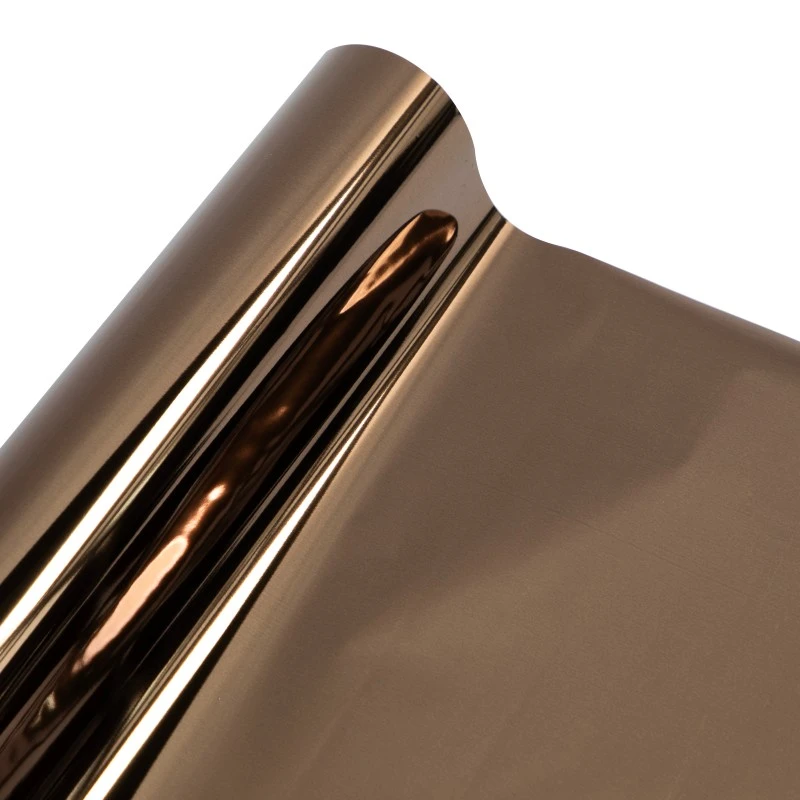
Common Mistakes and How to Avoid Them
| Mistake | Why It Happens | How to Avoid It |
|---|---|---|
| Using the wrong toner formulation | Standard toner may not bond properly with Pearl Toner Foil | Confirm the foil is compatible with your digital press and use recommended toner settings |
| Incorrect temperature and pressure | Too low causes patchy transfer; too high causes distortion | Run a test strip and follow the foil supplier's temperature and pressure guidance |
| Skipping substrate testing | Different papers absorb heat and toner differently | Test Pearl Toner Foil on the actual stock before full production |
| Handling foil with bare hands | Oils and dust contaminate the surface | Wear lint-free gloves and store foil in a clean, dry environment |
| Reusing damaged or creased foil | Creases create gaps and uneven shine | Inspect rolls before use and discard damaged sections |
| Ignoring humidity control | Moisture affects toner adhesion and foil release | Maintain stable workshop humidity and acclimatize materials |
| Rushing the fusing stage | Incomplete fusing leads to flaking | Allow full fusing time and verify adhesion on a sample |
Key Best Practices
-
Store Pearl Toner Foil in original packaging, away from heat and direct sunlight.
-
Calibrate equipment regularly and document settings for repeat jobs.
-
Train operators on consistent handling and inspection routines.
-
Partner with a reliable supplier such as Hongye for batch consistency and technical support.
Pearl Toner Foil FAQ
Q: Why does Pearl Toner Foil sometimes peel or flake after printing?
A: Peeling usually results from incomplete toner fusing, incorrect temperature settings, or a substrate that does not accept the foil. Verify press settings, increase fusing time where appropriate, and test adhesion on the actual stock before running a full job.
Q: Can Pearl Toner Foil be applied to textured or coated papers?
A: Yes, but results vary by surface. Textured stocks may require higher pressure, while heavily coated papers may need adjusted temperature. Always run a sample with Pearl Toner Foil on the exact paper to confirm transfer quality and edge sharpness.
Q: How should Pearl Toner Foil be stored to maintain performance?
A: Keep Pearl Toner Foil in its original packaging in a cool, dry place, away from direct sunlight and humidity swings. Avoid stacking heavy items on rolls, and inspect foil before each production run to catch creases or contamination early.
Conclusion
Avoiding these common mistakes protects both print quality and production efficiency. With careful calibration, proper storage, and a dependable partner like Hongye, Pearl Toner Foil delivers consistent, eye-catching results across packaging, invitations, and promotional materials. Contact us today to discuss your Pearl Toner Foil requirements, request samples, or receive technical guidance from the Hongye team.
