

Cold-rolled steel coil is an essential material for manufacturers that need consistent thickness, a smooth surface, reliable forming performance, and dependable production quality. From automotive components and electrical cabinets to home appliances and precision metal parts, the right steel coil can influence manufacturing efficiency, product appearance, and overall operating costs.
However, selecting a suitable coil involves more than comparing prices or choosing a nominal thickness. Steel grade, delivery condition, dimensional tolerances, surface finish, corrosion protection, and processing requirements all affect the final result. This guide explains how cold-rolled steel coil is produced, which properties matter most, how to compare specifications, and what buyers should check before placing an order.
Article summary: Learn the fundamentals of cold-rolled steel coil, understand its advantages over hot-rolled material, compare common grades and applications, identify quality risks, and build a practical purchasing checklist for more consistent manufacturing results.
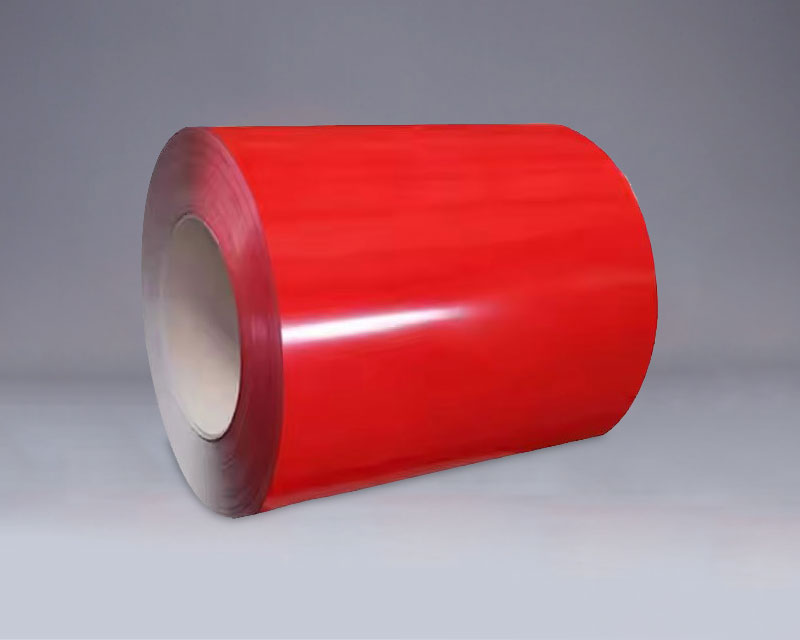
1. What Is Cold-Rolled Steel Coil?
Cold-rolled steel coil is a flat steel product manufactured by reducing the thickness of previously hot-rolled steel through rolling at a temperature below its recrystallization temperature, usually near room temperature. The process improves dimensional control and surface consistency while changing the material's mechanical properties.
Before cold rolling, hot-rolled steel is commonly pickled to remove surface scale. After thickness reduction, the strip may undergo annealing, temper rolling, slitting, or other finishing operations according to its intended application.
The final product is wound into a coil for convenient transportation, storage, and continuous feeding into downstream manufacturing equipment. Buyers can subsequently process it into sheets, narrow strips, stamped components, formed panels, and other products.
Why Does the Material Matter?
Steel that looks similar at first glance can behave differently during production. A coil with unsuitable mechanical properties may crack during stamping, while inconsistent thickness can affect tooling clearance, dimensional accuracy, and material consumption. Poor surface quality can also become visible after painting or coating.
Choosing the right cold-rolled steel coil helps manufacturers align the raw material with actual production requirements instead of paying for properties they do not need or accepting specifications that create avoidable defects.
Dimensional Precision
Controlled thickness and width help improve consistency in stamping, bending, cutting, and assembly.
Surface Consistency
A smoother, more uniform surface supports applications that require painting, coating, or an attractive finished appearance.
Mechanical Performance
Appropriate grade and delivery condition help balance strength, hardness, and formability.
Production Efficiency
Consistent incoming material can reduce setup adjustments, scrap, rework, and unexpected production interruptions.
2. How Is Cold-Rolled Steel Coil Manufactured?
The manufacturing route determines the finished coil's surface, dimensions, and mechanical behavior. Although production details vary by mill and product specification, the following stages are common.
Step 1: Prepare the Hot-Rolled Base Material
Hot-rolled steel coil provides the starting material. Before further processing, manufacturers may review its dimensions, surface condition, material identification, and suitability for the intended grade.
Step 2: Pickle and Clean the Surface
Hot rolling creates oxide scale on the steel surface. Pickling removes this scale so that it does not interfere with cold reduction or contribute to surface defects. Appropriate rinsing and drying help prepare the strip for the next operation.
Step 3: Reduce Thickness Through Cold Rolling
The prepared strip passes through precision rolling stands that reduce its thickness. The rolls, rolling force, strip tension, lubrication, and process controls influence gauge accuracy, surface finish, and material consistency.
Cold deformation also causes work hardening. The steel generally becomes harder and stronger while losing some of its ductility. The extent of this change depends on the steel composition, reduction ratio, and subsequent treatment.
Step 4: Anneal When the Required Condition Demands It
Annealing heats the cold-worked steel under controlled conditions to restore ductility and establish the required mechanical properties. Depending on the product and production route, manufacturers may use batch or continuous annealing.
Annealed material is often better suited to bending, drawing, and stamping than unannealed full-hard material. The precise choice depends on the customer's forming requirements.
Step 5: Apply Temper Rolling and Finishing
A light finishing pass, commonly called skin-pass or temper rolling, can improve flatness, surface texture, and the material's response during subsequent forming. Finishing may also include edge trimming, slitting, oiling, or recoiling.
Step 6: Inspect, Identify, and Package the Coil
Finished coils are checked against the applicable purchase specification. Typical checks include thickness, width, surface condition, coil identification, and mechanical properties where required. Packaging is selected to protect the material during storage and transportation.
Practical takeaway: The term "cold-rolled" describes the rolling route, not every detail of the finished product. Two coils with the same nominal dimensions can perform differently if their grade, annealing condition, surface finish, or tolerances differ.
3. Which Properties Matter Most When Buying Cold-Rolled Steel Coil?
Purchasing teams should connect each material property to a real manufacturing requirement. This prevents unnecessary specifications while reducing the risk of selecting a coil that cannot meet production expectations.
| Property | Why It Matters | What Buyers Should Specify |
|---|---|---|
| Thickness | Affects component dimensions, tooling settings, and material usage. | Nominal thickness, permitted tolerance, and measurement requirements. |
| Width | Determines blank dimensions, nesting efficiency, and line compatibility. | Nominal width, tolerance, and whether slit or mill edges are required. |
| Yield strength | Influences the onset of permanent deformation and forming force. | Grade, delivery condition, and applicable property limits. |
| Tensile strength | Helps establish load-bearing behavior and material suitability. | Required standard and the specified tensile-strength range. |
| Elongation | Provides information about the material's ability to stretch during forming. | Minimum elongation where relevant, test method, and specimen direction. |
| Surface finish | Can affect painting, coating, appearance, and friction during processing. | Surface class, roughness requirements, and acceptable defect limits. |
| Flatness and edge quality | Influence feeding stability, part geometry, and downstream processing. | Applicable tolerances, edge condition, and slit-coil requirements. |
| Oiling and packaging | Help manage corrosion risk during storage and transportation. | Oiled or dry surface, packaging method, and protection requirements. |
Not every application needs the tightest available tolerance or the highest mechanical strength. A well-written specification identifies the properties that affect the finished component and leaves room for commercially sensible material selection where appropriate.
4. Cold-Rolled vs. Hot-Rolled Steel: Understanding the Difference
Cold-rolled and hot-rolled steel serve different manufacturing needs. The main distinction is not simply the appearance of the finished surface; it is the production route and the resulting combination of dimensional accuracy, surface condition, mechanical properties, and cost.
| Comparison Point | Cold-Rolled Steel Coil | Hot-Rolled Steel Coil |
|---|---|---|
| Processing route | Further rolled below the recrystallization temperature. | Rolled at elevated temperatures. |
| Surface condition | Generally smoother and more uniform. | Typically has a rougher surface with mill scale unless further treated. |
| Dimensional control | Generally tighter thickness control. | Generally less precise than comparable cold-rolled material. |
| Mechanical behavior | Cold reduction increases work hardening; annealing can restore formability. | Depends on grade and processing history, with different strength and ductility characteristics. |
| Common uses | Appliance panels, precision components, cabinets, and formed parts. | Structural components, heavier fabricated parts, and applications with less demanding surface requirements. |
| Relative cost | Additional processing often increases cost. | Can be more economical for suitable applications. |
Cold-rolled steel is often the preferred choice when surface appearance, gauge consistency, or forming precision is important. Hot-rolled steel may be more practical for applications where heavier sections or lower raw-material cost take priority.
Neither product is universally superior. The best option is the one that meets the part's engineering requirements at an appropriate total cost.
5. Common Cold-Rolled Steel Grades and Specifications
Steel grades are not interchangeable simply because their names appear similar. Standards establish requirements for chemical composition, mechanical properties, product dimensions, surface quality, and delivery conditions. Buyers should identify the governing standard and confirm that the offered grade meets the intended application.
| Standard or Grade Family | General Description | Selection Consideration |
|---|---|---|
| EN 10130 — DC01 | Low-carbon cold-rolled flat steel for cold forming. | Often considered for general forming applications; confirm the required property and surface class. |
| EN 10130 — DC03/DC04 | Grades associated with more demanding forming requirements. | Evaluate actual drawing depth, part geometry, and applicable mechanical requirements. |
| JIS G 3141 — SPCC | Commonly used commercial cold-rolled steel sheet and strip designation. | Confirm the precise JIS grade and required delivery condition. |
| ASTM A1008/A1008M | Specification covering various cold-rolled carbon steel sheet categories. | Identify the required designation, grade or type, and mechanical-property requirements. |
These examples are starting points, not a universal grade-conversion table. Equivalent grades should only be accepted after their chemical, mechanical, dimensional, and application requirements have been compared.
Which Technical Documents Should Accompany an Order?
- The purchase specification identifying the governing standard and grade.
- A dimensional record covering thickness, width, and applicable tolerances.
- A mill test certificate or other agreed inspection document showing relevant material results.
- Surface-quality, oiling, and edge-condition requirements where applicable.
- Coil identification and traceability information linking the material to its documentation.
- Agreed inspection, sampling, and acceptance criteria for the order.
6. Where Is Cold-Rolled Steel Coil Used in Modern Industry?
Its combination of dimensional control, surface consistency, and adjustable mechanical properties makes cold-rolled steel coil suitable for many downstream manufacturing processes.
Automotive Components
Cold-rolled steel is used in selected interior panels, brackets, reinforcements, formed components, and other parts requiring controlled dimensions. The correct grade must be chosen according to forming severity, strength requirements, and applicable automotive specifications.
Home Appliances and Electrical Cabinets
Refrigerators, washing machines, electrical enclosures, control cabinets, and similar products may use cold-rolled steel for panels and structural parts. A consistent substrate helps manufacturers control assembly gaps, painted appearance, and finished dimensions.
Furniture and Office Equipment
Filing cabinets, shelving systems, desk frames, metal furniture, and storage equipment often require repeatable bending and stamping performance. Suitable coil quality helps maintain uniform shapes across production batches.
Precision Metal Fabrication
Manufacturers producing brackets, housings, metal covers, stamped fittings, and fabricated assemblies can benefit from predictable thickness and stable processing behavior. Narrow slit coils can also support continuous production where the equipment requires specific strip widths.
Steel Products for Further Processing
Cold-rolled coil can serve as a starting material for slitting, leveling, stamping, roll forming, or selected coating operations. The appropriate route depends on the base steel, the final product, and the required corrosion protection.
Important: Standard cold-rolled steel is not automatically corrosion-resistant. Applications exposed to moisture, chemicals, or outdoor conditions may require galvanizing, painting, or another suitable protective system.
7. How to Select the Right Cold-Rolled Steel Coil for Your Production Line
Many procurement problems begin when buyers specify only a grade and nominal thickness. A more effective approach starts with the finished part and works backward to the material requirements.
Step 1: Define the Finished Component
Describe the component's geometry, functional requirements, visible surfaces, and operating environment. Determine whether the part is stamped, bent, drawn, roll-formed, welded, or machined.
Step 2: Assess Forming Severity
Simple bends and shallow stampings may require different material properties from deep-drawn parts. If a component has tight radii, complex contours, or substantial deformation, review the grade and forming capability carefully.
Step 3: Set the Dimensions and Tolerances
Specify nominal thickness, width, and permitted deviations. If the coil will be slit, clarify the final strip width and edge requirements. If the production line is sensitive to flatness or camber, include measurable acceptance criteria.
Step 4: Identify the Surface and Finish Requirements
Determine whether the steel will remain visible, receive paint, undergo coating, or be used as an internal component. Define surface quality and roughness requirements where they affect the finished product.
Step 5: Confirm the Delivery Condition
Clarify whether annealed, skin-passed, or full-hard material is required. These conditions can differ substantially in hardness and formability. Do not approve a substitution based on nominal dimensions alone.
Step 6: Evaluate the Supplier's Quality Controls
Review available material certificates, dimensional inspection practices, defect handling procedures, traceability, and packaging. For critical parts, agree on inspection methods and acceptance criteria before production begins.
Step 7: Test the Material Under Actual Production Conditions
When introducing a new grade or supplier, consider a controlled trial. Check feeding behavior, stamping force, springback, cracking, surface marks, and final part dimensions. Actual process results provide useful evidence that the material suits the intended application.
A Practical Purchasing Checklist
- Grade and governing material standard confirmed.
- Thickness, width, and tolerances agreed.
- Annealing and delivery condition identified.
- Surface finish, oiling, and edge requirements documented.
- Coil inner diameter, outer diameter, and weight limits checked against equipment capacity.
- Mechanical-property and inspection requirements established.
- Packaging, labeling, and moisture protection agreed.
- Lead time, quantity, delivery terms, and document requirements confirmed.
8. Quality Inspection: How to Reduce Defects and Production Downtime
Incoming inspection is particularly important when a steel coil will feed a high-speed stamping or automated forming line. Small material inconsistencies can become repeated defects across thousands of parts.
Common Defects and Their Potential Impact
| Potential Issue | Possible Consequence | Recommended Check |
|---|---|---|
| Thickness variation | Inconsistent dimensions, forming loads, or tool clearance. | Measure thickness at agreed positions and compare it with the specified tolerance. |
| Scratches or surface marks | Visible defects after painting or finishing. | Inspect exposed surfaces under suitable lighting and agreed acceptance criteria. |
| Rust or moisture staining | Rework, coating problems, or reduced usable material. | Inspect packaging and steel surfaces; investigate moisture exposure. |
| Edge burrs or damage | Feeding issues, safety hazards, and poor slit-strip quality. | Check edge condition, burr direction, and slit-width tolerances. |
| Unexpected cracking during forming | Scrapped parts and production interruptions. | Verify grade, delivery condition, material certificates, and forming parameters. |
| Coil shape or winding problems | Unstable unwinding and interruptions on processing lines. | Check coil build, handling damage, and equipment compatibility. |
Establish Clear Acceptance Criteria
Terms such as "good surface," "high precision," or "excellent flatness" can be interpreted differently by different parties. Replace vague descriptions with the applicable standard, measurable tolerances, inspection methods, and agreed limits for unacceptable defects.
Keep records of coil numbers, inspection results, production settings, and nonconformities. When a problem appears, traceability helps determine whether the cause is material-related, equipment-related, or connected to process settings.
9. Storage, Handling, and Corrosion Prevention
Even a well-manufactured cold-rolled steel coil can deteriorate if it is exposed to condensation, rain, contaminated handling equipment, or unsuitable storage conditions. Surface protection should therefore continue after delivery.
- Keep coils dry: Store material in a clean, dry, covered area and avoid direct exposure to rain or standing water.
- Control condensation: Allow temperature transitions to be managed carefully, especially when cold coils enter warmer, humid environments.
- Inspect packaging: Check for tears, crushed edges, damaged wrapping, or evidence of moisture during unloading.
- Use suitable lifting equipment: Follow safe coil-handling procedures to prevent deformation, dropped loads, and edge damage.
- Protect finished surfaces: Avoid dragging coils or allowing steel surfaces to contact abrasive or contaminated materials.
- Manage inventory: Use a documented stock rotation system and inspect material that has remained in storage for an extended period.
- Confirm oil compatibility: Ensure any protective oil is suitable for subsequent cleaning, painting, welding, or forming operations.
Protective oil and packaging reduce certain corrosion risks, but they do not make the steel immune to moisture. For demanding storage or transportation conditions, specify the packaging method and handling requirements before shipment.
10. What Influences the Total Purchasing Cost of Cold-Rolled Steel Coil?
The quoted price per ton is only one part of the total cost. A lower-priced coil may become more expensive if it creates excessive scrap, requires extra processing, or arrives with inadequate documentation or packaging.
Material Grade and Processing
Steel grade, thickness, width, annealing route, finishing operations, and surface requirements can all influence manufacturing cost. More demanding tolerances or specialized properties may require additional process control.
Order Quantity and Coil Configuration
Order volume, minimum production quantities, slit-width requirements, coil weight, and packaging preferences can affect pricing and production planning. Match coil dimensions to the receiving equipment to avoid unnecessary handling or conversion costs.
Freight, Packaging, and Delivery
Transport distance, loading arrangements, moisture protection, handling requirements, and delivery terms contribute to the landed cost. For export orders, buyers should also confirm the required shipping documents and the agreed allocation of freight-related responsibilities.
Yield, Scrap, and Production Stability
Material yield is especially important for high-volume manufacturing. A coil that performs consistently may reduce rejected parts, downtime, tooling adjustments, and rework. These savings can outweigh a modest difference in purchase price.
For a meaningful supplier comparison, evaluate the same grade, dimensions, tolerances, surface requirements, delivery condition, inspection documentation, and delivery terms. Otherwise, apparently similar quotations may describe materially different products.
11. Frequently Asked Questions About Cold-Rolled Steel Coil
Q1. What is cold-rolled steel coil mainly used for?
It is widely used for stamped components, appliance panels, electrical cabinets, furniture, metal housings, precision parts, and other products requiring controlled dimensions and a relatively smooth surface. The suitable grade depends on the final component and its manufacturing process.
Q2. Is cold-rolled steel stronger than hot-rolled steel?
Cold rolling causes work hardening, which generally increases hardness and strength compared with the same material before cold reduction. However, the final properties depend on grade, reduction, annealing, and delivery condition. A general statement that every cold-rolled product is stronger than every hot-rolled product would be inaccurate.
Q3. Is cold-rolled steel coil suitable for deep drawing?
Yes, certain cold-rolled grades are designed for drawing and more demanding forming operations. Buyers should specify an appropriate drawing grade and verify its mechanical properties, geometry requirements, and performance under actual production conditions.
Q4. Does cold-rolled steel coil resist rust?
Ordinary cold-rolled carbon steel is not inherently corrosion-resistant. Moisture can cause rust, so dry storage, suitable protective oil, and appropriate packaging are important. Galvanizing or painting may be required for more demanding environments.
Q5. Which standards are commonly used for cold-rolled steel?
Common references include EN 10130 for relevant low-carbon cold-rolled flat products for cold forming, JIS G 3141 for cold-reduced steel sheet and strip, and ASTM A1008/A1008M for specified cold-rolled carbon steel sheet products. Confirm the applicable edition, grade, scope, and delivery requirements for each order.
Q6. Can cold-rolled steel coil be supplied in custom widths?
Many supply arrangements offer slitting to specified widths, subject to equipment capability, material availability, and order requirements. Confirm width tolerance, edge condition, burr limits, coil dimensions, and minimum order quantity before production.
Q7. What information should I provide when requesting a quotation?
Provide the required standard and grade, thickness, width, quantity, delivery condition, surface finish, oiling preference, coil dimensions, packaging requirements, destination, and inspection documentation. Drawings or details about the intended forming process can help clarify special requirements.
Q8. How can I reduce cracking and waste during stamping?
Start with a suitable forming grade, verify the material condition and certificates, and ensure that the forming process is appropriate for the material. Review tooling clearance, bend radius, lubrication, grain direction where relevant, and forming severity. A controlled production trial can help identify problems before full-scale manufacturing.
Q9. What should I check when a cold-rolled steel coil arrives?
Check packaging integrity, coil identification, visible rust or moisture, edge damage, coil dimensions, and accompanying documentation. Carry out thickness, width, surface, and other inspections according to the agreed sampling plan and acceptance criteria.
Q10. Why is supplier communication important when purchasing steel coils?
Clear communication helps align material specifications, delivery condition, inspection records, packaging, and downstream processing requirements. Resolving these details before production reduces the likelihood of unsuitable substitutions, delayed deliveries, and avoidable quality disputes.
12. Conclusion: Make Material Selection Work for Your Production Goals
Cold-rolled steel coil offers manufacturers a practical combination of dimensional control, surface consistency, and adjustable mechanical properties. Its value, however, depends on selecting the right grade and delivery condition for the finished part rather than relying on the product name alone.
By defining clear dimensional tolerances, evaluating forming requirements, checking surface quality, confirming material documentation, and managing storage conditions, buyers can reduce material-related risks and improve production consistency. A thorough comparison of specifications and total landed cost also helps purchasing teams make better long-term decisions.
When sourcing material for industrial production, Fujian Yintu Industrial Co., Ltd. can be included in your supplier evaluation process. Discuss your application, target specifications, required quantity, and quality expectations to determine the most suitable supply arrangement for your project.
Looking for a Cold-Rolled Steel Coil Supply Solution?
Choosing the right steel coil starts with understanding your production requirements. Whether you need material for precision stamping, appliance manufacturing, metal fabrication, or further steel processing, clear specifications can help you control quality and purchasing costs.
Contact Fujian Yintu Industrial Co., Ltd. to discuss your cold-rolled steel coil requirements, confirm product specifications, and explore a supply solution tailored to your project. Please contact us with your grade, dimensions, quantity, and delivery requirements to start the conversation.
Note: Grade availability, dimensional ranges, mechanical properties, surface requirements, and inspection documents depend on the agreed product specification and applicable standard. Confirm all critical requirements with your supplier before placing an order.
