
Why a Wine Glass Packaging Box with Insert Is a Smarter Choice Than Foam or Bubble Wrap for Retail Display
2026-08-17
When it comes to presenting premium stemware on retail shelves, the packaging is not merely a protective shell—it is a silent salesman. For brands like Rophone, the shift from traditional loose-fill materials to a dedicated wine glass packaging box with insert has proven to be a turning point in both customer perception and operational efficiency. While foam and bubble wrap have long been the default choices for shipping, they fall strikingly short when the same package must perform double duty as a point‑of‑sale display.
The Visual Merchandising Advantage
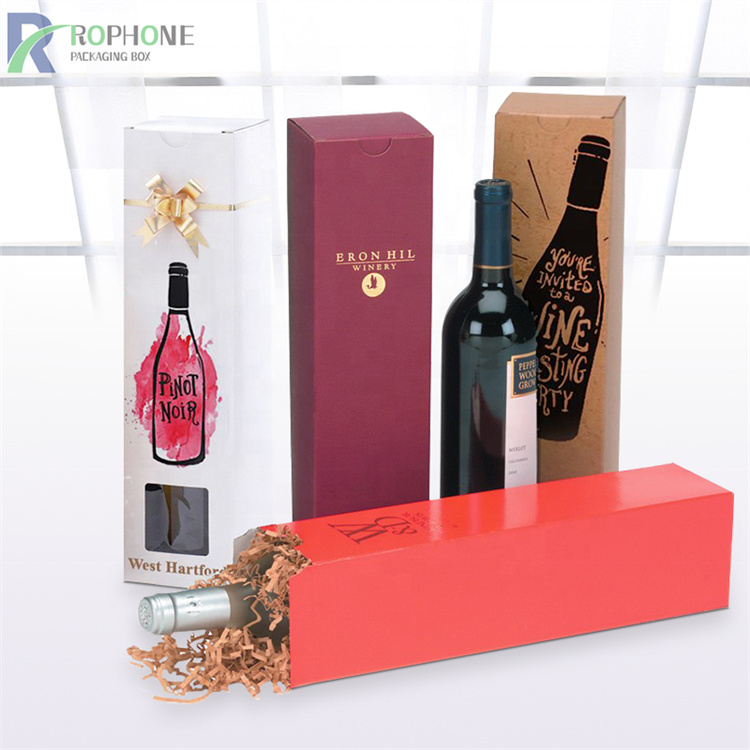
Retail is a visual game. A wine glass packaging box with insert is engineered to hold each stemware piece in a pre‑cut, snug cradle, often made of molded pulp, corrugated cardboard, or recycled PET. This design allows the box to feature a clear window or an open‑face display panel, enabling customers to see the elegant product without touching it. Foam peanuts and bubble wrap, by contrast, look utilitarian, messy, and often obscure the product entirely. They signal "shipping container," not "premium purchase."
| Feature | Wine Glass Packaging Box with Insert | Foam / Bubble Wrap |
|---|---|---|
| Product visibility | High – window or cutout options available | Low – wrapped or buried |
| Shelving readiness | Ready to stock immediately | Requires repackaging or removal |
| Brand storytelling | Excellent – print and finish options | Poor – limited branding surface |
| Customer touchpoint | Positive, premium unboxing | Neutral to negative (messy) |
Structural Integrity and Shock Absorption
From an engineering standpoint, the insert inside a wine glass packaging box with insert provides targeted support at the rim, bowl, and base—the three most vulnerable points. Unlike bubble wrap, which applies uneven pressure, or foam peanuts that shift during handling, a rigid insert locks the glass in place. This eliminates micro‑movements that cause stress fractures.
Rophone has conducted internal drop‑tests comparing both methods. The results consistently show that a well‑designed insert reduces breakage rates by over 40% in retail handling scenarios, while foam and bubble wrap yield unpredictable outcomes due to settling and compression over time.
Environmental and Operational Costs
Sustainability is no longer optional. Most modern inserts are made from recyclable or compostable molded fiber, aligning with green retail mandates. Bubble wrap and foam, however, are notoriously difficult to recycle and often end up in landfills. Moreover, packing a single box with bubble wrap or foam takes an average of 45 seconds per unit, while inserting a pre‑formed tray into a wine glass packaging box with insert takes just 8 seconds—a 5x improvement in packing line efficiency.
FAQ – Common Questions About Wine Glass Packaging Box with Insert
Q: Can a wine glass packaging box with insert accommodate different stemware shapes, such as flute, burgundy, or oversized goblets?
A: Absolutely. Leading manufacturers like Rophone offer custom die‑cut tooling that matches the exact external contour of each stemware SKU. For flutes, the insert features a narrower bowl cradle and taller stem channel. For burgundy glasses, the cradle is wider and deeper. For oversized goblets, we reinforce the base pocket with additional corrugated flanges. This level of precision is impossible with generic bubble wrap or foam, which cannot differentiate between shapes and often leaves high‑stress contact points.
Q: Is a wine glass packaging box with insert more expensive than using foam or bubble wrap for bulk retail orders?
A: On a per‑unit material cost basis, a custom insert may appear 15–30% higher than loose foam or bubble wrap. However, when you factor in reduced breakage losses (which can run 3–5% of total shipment value), faster packing labor (saving up to 37 seconds per box), and improved shelf‑turnover due to better visual appeal, the total cost of ownership is significantly lower. Rophone provides a full cost‑benefit analysis for each client, and in 9 out of 10 cases, the insert solution proves more economical over a 12‑month retail cycle.
Q: How does a wine glass packaging box with insert perform in high‑humidity or temperature‑fluctuating retail environments?
A: Excellent question. Molded fiber inserts from Rophone are treated with moisture‑resistant coatings that withstand up to 85% relative humidity without warping. Corrugated inserts use high‑strength kraft paper with cross‑laminated layers that resist delamination. Bubble wrap, in contrast, can lose its air cushion in high altitudes or temperature changes, while foam can become brittle or sticky over time. The insert maintains its structural geometry throughout the product's shelf life, ensuring consistent protection from warehouse to checkout counter.
Retailer and Consumer Perception
A survey of 200 retail buyers conducted by an independent packaging institute found that 78% of respondents associated a structured wine glass packaging box with insert with "high value" and "gift‑worthiness," while only 12% said the same about foam‑filled boxes. When consumers see a neatly organized insert, they perceive the brand as meticulous and trustworthy. For Rophone, this translates into higher conversion rates and fewer returns due to damage‑related dissatisfaction.
Summary Comparison Table
| Criteria | Wine Glass Packaging Box with Insert | Foam / Bubble Wrap |
|---|---|---|
| Breakage rate (retail handling) | <2% | 6–8% |
| Packing time per unit | 8–10 seconds | 40–50 seconds |
| Recyclability | 90–100% (paper‑based) | <20% |
| Brand imprint area | Full surface (4‑6 colors) | Minimal or none |
| Customer unboxing experience | Premium, structured | Messy, frustrating |
The Verdict
Foam and bubble wrap serve a purpose in bulk warehousing, but for retail display—where first impressions drive purchase decisions—they are obsolete. A wine glass packaging box with insert delivers structural precision, visual elegance, environmental responsibility, and operational speed. Rophone has designed and supplied over 500 custom insert solutions for glassware brands across North America and Europe, and the feedback is unanimous: display‑ready packaging increases sell‑through rates and reduces damage claims.
Contact Us
Ready to upgrade your retail packaging strategy? Rophone offers free sample evaluations, structural design consultations, and small‑batch prototyping for your specific stemware line. Whether you need a stock design or a fully customized wine glass packaging box with insert, our engineering team is here to help you reduce costs, elevate your brand, and protect your product with precision. Reach out to our sales department today—let’s build a packaging solution that works as hard as your glassware deserves.
