

Why Are Cylindrical Tea Paper Packaging Cans a Smart Choice for Premium Tea Brands?
2026-10-13
Tea packaging does more than hold a product. It protects the tea's quality, communicates brand values, and influences purchasing decisions. As tea brands compete in retail stores, online marketplaces, and gift markets, packaging that combines practical protection with distinctive presentation has become increasingly important. Cylindrical Tea Paper Packaging Cans offer an attractive solution by combining a rigid paperboard structure, customizable appearance, and versatile packaging options. For tea manufacturers, wholesalers, and private-label brands, these containers can help improve product presentation while supporting different market positioning strategies. Wenzhou Yiya Packaging Co., Ltd. can be considered as a packaging partner for businesses exploring customized packaging solutions tailored to their product and branding requirements.
1. What Makes Cylindrical Tea Paper Packaging Cans Different?
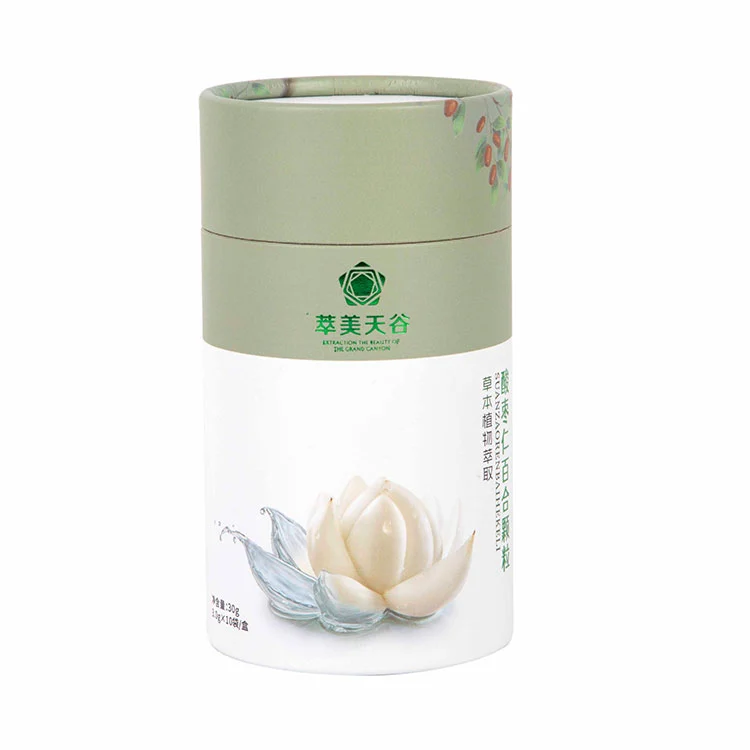
Cylindrical tea paper packaging cans are round containers generally made from layered paperboard, with lids and optional inner liners designed for different packaging needs. Compared with conventional rectangular cartons, their rounded structure creates a distinctive appearance and provides a convenient surface for displaying brand information.
These containers can be designed for loose-leaf tea, tea bags, herbal tea blends, and premium tea gift collections. Depending on the product, manufacturers can select different dimensions, paper materials, closure styles, and decorative finishes.
Key Features of Cylindrical Tea Packaging
-
Rigid structure: Helps protect packaged tea from routine handling and external pressure.
-
Customizable printing: Supports brand logos, product descriptions, brewing instructions, and decorative graphics.
-
Flexible dimensions: Different diameters and heights accommodate various tea quantities and packaging formats.
-
Multiple closure options: Removable lids, fitted closures, and compatible inner seals can serve different storage requirements.
-
Distinctive appearance: The round shape creates a recognizable alternative to standard paper boxes and flexible pouches.
The most suitable design depends on the tea variety, required shelf life, distribution conditions, and target customer.
2. Why Is Protective Packaging Important for Tea?
Tea leaves and herbal ingredients can lose quality when exposed to excessive moisture, oxygen, light, or strong external odors. Packaging selection therefore plays an important role in maintaining product condition during storage, transportation, and retail display.
Maintaining Freshness and Aroma
A well-designed packaging system helps limit exposure to environmental factors that may affect tea aroma and flavor. The paperboard body provides structural support and can block light, while a suitable food-contact liner or sealed inner pouch can improve moisture and oxygen protection.
However, ordinary paperboard alone does not guarantee airtight or moisture-proof performance. Tea brands should select appropriate barrier materials and closure systems according to the product's preservation requirements.
Reducing Physical Damage
Fragile tea leaves may be crushed during transportation or handling. The rigid construction of cylindrical containers helps maintain package shape and offers additional protection compared with unsupported flexible packaging.
This advantage is particularly relevant to premium loose-leaf teas and gift products, where product appearance contributes to the overall customer experience.
Supporting Storage and Distribution
Consistent dimensions and a stable container structure can make products easier to arrange on retail shelves and organize in storage. For e-commerce businesses, packaging should also be evaluated alongside shipping cartons and protective inserts to reduce damage during delivery.
3. How Do Cylindrical Tea Paper Packaging Cans Improve Brand Image?
Packaging is often the first physical interaction a customer has with a tea brand. A carefully designed container can communicate product quality, brand personality, and intended market positioning before the tea is even opened.
Creating a Premium Retail Presentation
The cylindrical shape offers a continuous surface for visual storytelling. Brands can incorporate tea origins, ingredient illustrations, tasting notes, and brewing recommendations into a coordinated design.
Matte finishes, metallic accents, embossed logos, and minimalist graphics can help establish different visual identities, from traditional tea collections to contemporary specialty blends.
Increasing Brand Recognition
A distinctive package makes it easier for customers to recognize a product among competing brands. Consistent colors, typography, and logo placement across multiple tea varieties can create a cohesive product range.
For online sellers, attractive packaging can also improve product photography and make gift sets more appealing in promotional materials.
Enhancing the Gift-Giving Experience
Premium tea is frequently purchased for holidays, corporate gifts, celebrations, and personal occasions. Cylindrical paper cans can provide a polished presentation without requiring an elaborate outer box for every product.
With suitable printing and coordinated accessories, brands can create seasonal editions or gift collections that appeal to different customer groups.
4. Which Tea Products Are Suitable for Cylindrical Paper Cans?
Different tea products have different packaging requirements. Selecting the right structure and internal protection is essential for balancing appearance, functionality, and cost.
| Tea Product | Recommended Packaging Considerations |
|---|---|
| Loose-leaf tea | Rigid body, convenient opening, suitable aroma and moisture barriers |
| Green tea | Light protection and effective oxygen and moisture control |
| Black tea | Appropriate liner and closure for storage and aroma retention |
| Herbal tea blends | Moisture protection suited to the ingredients |
| Tea bags | Convenient access, organized storage, and attractive exterior printing |
| Premium tea gifts | Decorative finishes, customized dimensions, and coordinated presentation |
These are general recommendations rather than universal specifications. The final design should reflect the tea's sensitivity, filling method, expected storage period, and distribution environment.
5. How Can Businesses Customize Cylindrical Tea Paper Packaging Cans?
Customization enables tea brands to develop packaging that matches their products and target markets. Rather than selecting a container based on appearance alone, purchasing teams should evaluate both technical requirements and brand presentation.
Important Customization Options
Material selection: Choose suitable paperboard and surface materials according to structural strength, printing quality, and the intended packaging application.
Size and capacity: Determine the container diameter and height based on the net tea weight, product volume, and filling requirements. Different tea varieties may occupy different volumes at the same weight.
Lid and sealing structure: Consider easy-opening lids, fitted closures, inner pouches, or tamper-evident seals where appropriate. The complete package should meet the required preservation and food-contact standards.
Printing and finishing: Use custom colors, brand graphics, product information, and suitable decorative finishes to create a consistent visual identity.
Production and quality control: Confirm dimensional tolerances, printing consistency, closure performance, material documentation, and sample approval before placing a large order.
Wenzhou Yiya Packaging Co., Ltd. can be approached to discuss packaging requirements and explore suitable customization possibilities. Businesses should confirm the available structures, materials, minimum order quantities, and production capabilities for their specific projects.
6. What Should Buyers Consider When Choosing a Packaging Supplier?
The right supplier should understand that packaging performance involves more than the appearance of the finished container. Buyers need to assess technical suitability, production consistency, and the supplier's ability to meet commercial requirements.
Before ordering, consider the following checklist:
-
Product compatibility: Confirm that the proposed packaging is suitable for the specific tea product.
-
Food-contact suitability: Request relevant documentation for materials that may contact tea directly.
-
Barrier performance: Verify moisture and oxygen protection where required.
-
Printing accuracy: Review artwork proofs, color consistency, and surface finishing.
-
Sample evaluation: Inspect dimensions, lid fit, structural strength, and ease of use.
-
Order flexibility: Confirm minimum order quantities, sampling lead times, and production schedules.
-
Shipping suitability: Evaluate carton packing, stacking, and protection during transportation.
A practical supplier evaluation process helps reduce packaging risks and supports more reliable product launches.
7. Why Choose Cylindrical Tea Paper Packaging Cans for Long-Term Brand Development?
For growing tea businesses, packaging should support both immediate sales and future product expansion. A consistent cylindrical format can be adapted across multiple flavors, tea varieties, seasonal releases, and gift collections.
Its customizable exterior provides room for brand storytelling, while its rigid structure supports a more substantial product presentation. When combined with suitable barrier materials, the format can also meet a range of tea storage requirements.
Paper-based packaging may support material-reduction goals compared with certain alternative formats, but environmental benefits depend on the complete package, including coatings, liners, lids, and local recycling facilities. Brands should verify recyclability claims rather than assume that every paper can is recyclable as a whole.
Ultimately, the best packaging solution balances protection, visual appeal, usability, cost, and the expectations of the intended market.
Conclusion
Cylindrical Tea Paper Packaging Cans provide tea brands with a versatile way to combine product protection, customized branding, and attractive retail presentation. From loose-leaf tea and herbal blends to premium gift collections, the right combination of paperboard structure, inner barrier, closure, and printing can help businesses create packaging that meets practical requirements while strengthening brand recognition.
For tea manufacturers, distributors, wholesalers, and private-label businesses, working with a suitable packaging supplier is an important step toward developing consistent and market-ready products.
Looking for customized cylindrical tea paper packaging cans for your next product launch? Contact Wenzhou Yiya Packaging Co., Ltd. to discuss your packaging specifications, design preferences, and project requirements. Explore a packaging solution that brings together functionality, visual appeal, and your brand's unique identity.
