

Why Is a Glassine Paper Bag Recyclable and Biodegradable?
2026-11-09
A retail buyer picks up a glassine paper bag with bottom gusset from a sample table. It is transparent, smooth, and lighter than a plastic film bag. The buyer asks whether it can go into the paper recycling bin or whether it will contaminate the stream like a PE coated bag. The supplier says it is recyclable and biodegradable, but the buyer wants to know why. The answer is not in the marketing claim. It is in the chemistry of the material and in the construction of the bag. This guide explains why a glassine bag is both recyclable and biodegradable, and how to verify the claim before placing an order.
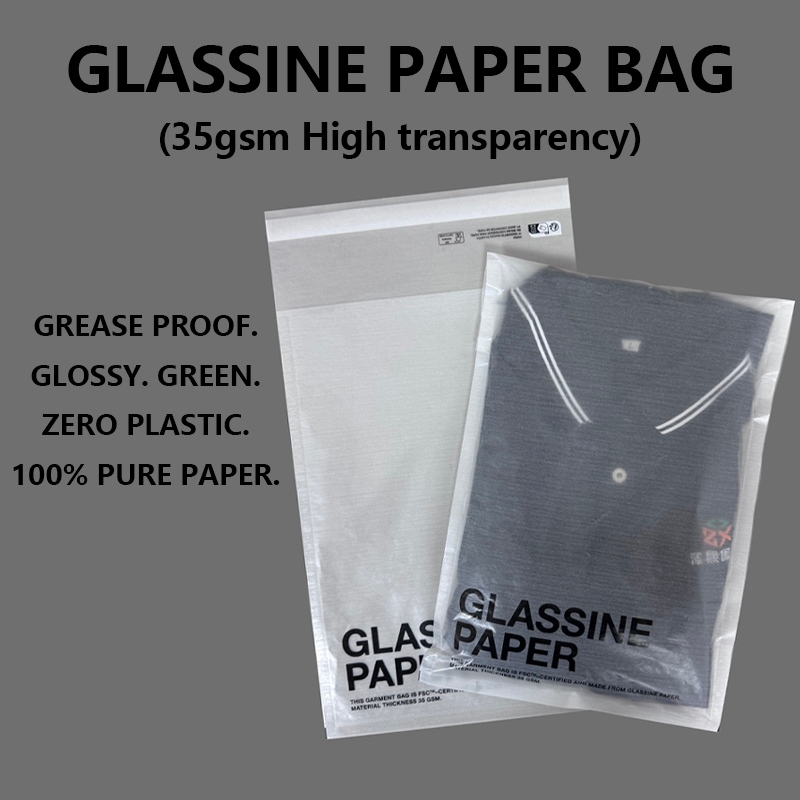
1. Why Do Buyers Mistake a Glassine Bag for a Plastic Film Bag?
A glassine paper bag with bottom gusset looks like a plastic film bag because it is transparent, smooth, and thin. The transparency comes from the densification of the cellulose fibers during the calendering process, not from a synthetic polymer. The smoothness comes from the supercalendering, which presses the paper between polished steel rolls at high pressure. The thinness comes from the high density of the paper, which allows a low grammage to achieve good strength. A buyer who judges by appearance alone will assume the bag is plastic and will either reject it as non-recyclable or place it in the wrong waste stream. In our factory, we produce glassine bags with bottom gusset for bakery, confectionery, and retail applications. Zeal X International Limited has been manufacturing paper packaging for over 10 years.
The confusion is understandable, and it is why the material declaration matters. The bag should be labeled with the material and the disposal route. A bag that is labeled "paper" and carries a paper recycling mark will be accepted by the recycling facility and by the consumer.
2. What Makes Glassine Chemically Compatible With the Paper Recycling Stream?
Glassine is made from wood pulp that has been beaten to a high degree of fibrillation and then calendered. The chemical composition is cellulose, the same polymer that makes up office paper, newspaper, and cardboard. There is no polyethylene coating, no aluminum foil, and no wax layer. Because the material is cellulose, it can be repulped in the same hydropulper that processes other paper grades. The fibers swell in water and separate, and the resulting pulp can be used to make new paper products. The table below compares glassine with other common bag materials.
| Bag material | Main component | Paper recycling stream | Separation required |
| Glassine paper | Cellulose | Compatible | No |
| PE film bag | Polyethylene | Not compatible | N/A (plastic stream) |
| PE coated paper bag | Cellulose + PE film | Limited compatibility | Yes (coating must be removed) |
| Aluminum foil laminated bag | Cellulose + foil + adhesive | Not compatible | Yes (foil must be separated) |
The adhesive used to close the bottom gusset is also a factor. A water-based adhesive that is compatible with repulping will disperse in the hydropulper and will not leave a sticky residue on the recycled fiber. A solvent-based or hot-melt adhesive may form lumps that must be screened out. In our factory, we use a water-based adhesive for the bottom gusset and we verify the adhesive compatibility with the paper recycling process. Zeal X International Limited provides the adhesive declaration with each order.
3. How Does Cellulose Structure Allow Microorganisms to Break the Bag Down?
Cellulose is a polysaccharide made of glucose units linked by beta-1,4 glycosidic bonds. Microorganisms, including bacteria and fungi, produce enzymes called cellulases that cleave these bonds. The enzymes break the long cellulose chains into shorter chains and eventually into glucose, which the microorganisms consume as a food source. The breakdown requires moisture, a suitable temperature, and a community of microorganisms. In an industrial composting facility, the temperature is maintained at 55 to 60 degrees Celsius, and the moisture is controlled at 50 to 60 percent. Under these conditions, a 40 gram per square meter glassine bag breaks down within 8 to 12 weeks. In a home compost bin, the temperature is lower and the microbial community is less active, so the breakdown takes 6 to 12 months. The table below shows the degradation time for different glassine grades.
| Glassine grade (g/m²) | Calendering level | Industrial composting time | Home composting time |
| 30 – 40 | Standard | 8 – 10 weeks | 6 – 8 months |
| 40 – 60 | Standard | 10 – 12 weeks | 8 – 12 months |
| 60 – 90 | High | 12 – 16 weeks | 10 – 14 months |
| 90 – 120 | Very high | 16 – 20 weeks | 12 – 18 months |
Packaging engineer's note: The calendering level affects the degradation rate because the denser the sheet, the slower the moisture penetrates and the slower the microorganisms colonize the surface. A highly calendered glassine bag is more transparent and smoother, but it takes longer to break down. In our factory, we recommend the 40 to 60 gram per square meter grade for most food applications because it balances strength, transparency, and composting time. Zeal X International Limited can provide the composting test report for each grade on request.
4. Why Does the Bottom Gusset Structure Matter for Both Strength and End-of-Life?
The bottom gusset is the folded section at the base of the bag that allows it to stand upright and to carry more weight than a flat bag. The gusset is formed by folding the paper rather than by bonding a separate piece, so the adhesive area is limited to a narrow strip along the fold. This is important for two reasons. First, the folding distributes the load across the base, which increases the carrying capacity without increasing the paper weight. Second, the small adhesive area means that the bag breaks down more uniformly in the composting environment and repulps more cleanly in the recycling process. A bag with a large glued base would have a slower degradation rate at the glued area and could leave adhesive residue in the recycled pulp. In our factory, we control the adhesive bead width to 3 to 5 millimeters and we use a water-based adhesive that disperses in water. Zeal X International Limited inspects the gusset fold and the adhesive bead on every production lot.
We also recommend that the buyer specify the gusset depth. A deeper gusset provides a wider base and better stability, but it uses more paper and adds cost. The standard depth for a bakery bag is 30 to 50 millimeters.
5. How Should Buyers Verify Recyclability and Biodegradability Claims?
The specification should include five items. The first is the grammage and the calendering level. The second is the coating declaration, which should state that the bag is uncoated or that any coating is a bio-based and compostable material. The third is the adhesive type and the application width. The fourth is the ink type, which should be a water-based or vegetable-based ink that does not contain heavy metals. The fifth is the certification requirement, such as EN 13432 for industrial composting or ASTM D6400. The verification should include four checks. The first is the fiber composition analysis. The second is the composting certification review. The third is the recycling stream compatibility statement from the paper mill. The fourth is the batch traceability record. In our factory, we provide the material declaration and the certification documents with each order. Zeal X International Limited can also arrange a third-party test if the buyer requires it.
We recommend that the buyer avoid the term "biodegradable" without a qualifier. A material can be technically biodegradable but still take decades in a landfill. The meaningful claim is "industrially compostable" or "home compostable," and both require a certification. A supplier who cannot provide the certification should not be trusted.
Frequently Asked Questions About Glassine Paper Bag Recyclability and Biodegradability
Summary for Packaging Buyers and Product Developers
A glassine paper bag with bottom gusset is recyclable because it is made from cellulose and can be repulped in the paper recycling stream. It is biodegradable because the cellulose is broken down by microbial cellulases under suitable conditions. The bottom gusset structure supports both strength and end-of-life because it uses folding rather than large-area bonding, which reduces the adhesive content and improves the breakdown and repulping behavior. The buyer should specify the grammage, the coating declaration, the adhesive and ink types, and the certification requirement, and should verify the claims with the material declaration and the test report. Zeal X International Limited has been manufacturing paper packaging for over 10 years and provides full material and certification support for our customers.
